Start here
What is Cottage Goth?
Cottage Goth is a modern internet aesthetic connecting cottagecore with darker dress, old rooms, wild gardens, folklore and natural history.
Cottage Goth sits where cottagecore's domestic, handmade world meets darker clothes, shadowier rooms, folklore, wild plants and natural history. Black linen beside weathered timber. Foxgloves and hedges rather than a clipped border. Ravens, moths, old books, silver, rain.
The label became visible online around 2020 as cottagecore split into more specific variations. Apartment Therapy was already writing about “cottagegoth” in October 2020, describing the overlap between cottagecore domesticity and goth clothing, lace, darker colour and witchier imagery.
Cottage Goth is a contemporary aesthetic, broad enough to look different from one person to the next. There is no historical movement or rulebook behind it.
In the wardrobe
Long dark dresses and skirts are common, but so are linen shirts, old knitwear, boots, waistcoats, floral embroidery, coats and second-hand jewellery. The most convincing outfits tend to look accumulated: a romantic dress under an ordinary wool coat, a worn cardigan with a long skirt, a plain shirt with a dark waistcoat and heavy boots.

Start with Cottage Goth style, How to dress Cottage Goth or Where to buy Cottage Goth clothes.
Inside the house
A dark room works best when colour has texture and warmth around it. Old timber, worn metal, deep upholstery, plants, books and low pools of warm light give it depth. Green velvet beside dark wood and a glowing stove can feel richer than a room full of themed objects.
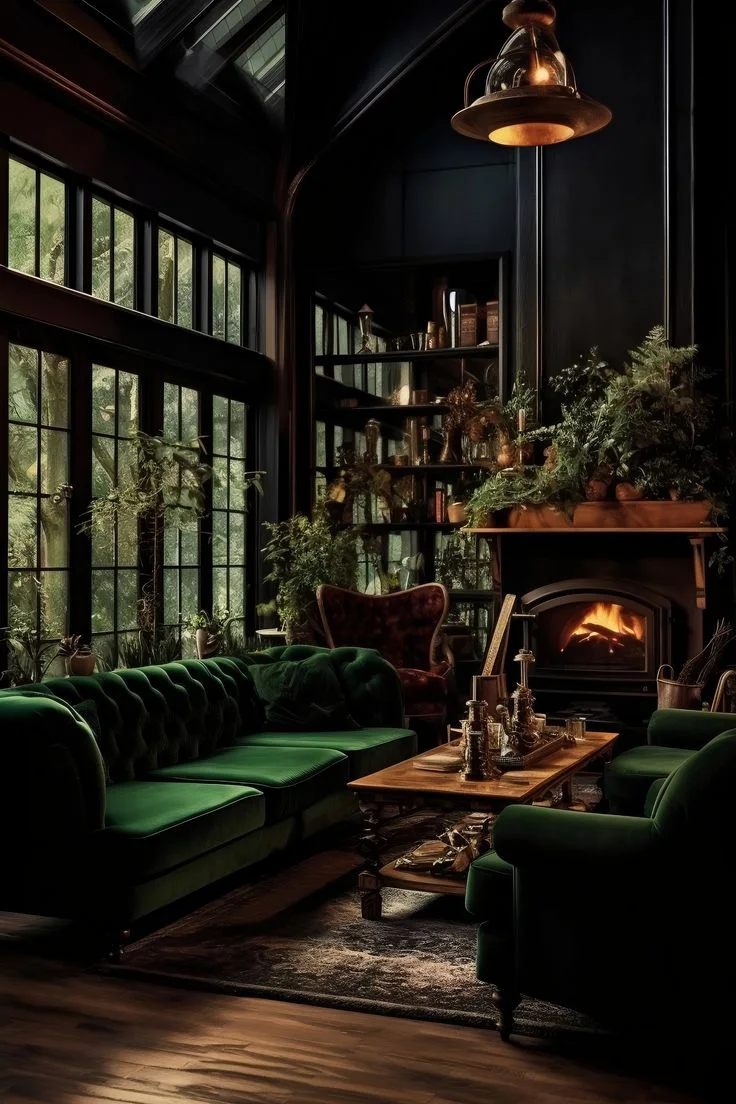
Start with Cottage Goth interiors, How to make a modern home feel older or Old house materials.
In the garden
The garden is usually wilder than it is black. Foxgloves, blackthorn, ferns, hedges, seed heads, moss, fungi and self-seeding plants bring height, shade and a sense that the garden has a life of its own.
There is plenty of colour. Common foxglove is pink-purple; hawthorn is white; moss is green; sloes are blue-black. The darker atmosphere comes from season, structure, weather and the way plants crowd together, not from forcing every flower into burgundy.

Start with The Cottage Goth garden, Foxglove or Blackthorn.
Birds, moths and the rest
Ravens, rooks, moths, fungi and hedgerows each have lives beyond their use as symbols. The pale bill-base of a rook or the foodplant of a moth gives the imagery an observable source.

Start with Nature & wildlife, How to identify Britain's eight corvids or How to make your garden better for moths.
Stories and unease
Folklore brings local stories, strange creatures, seasonal customs and old collections. Folk horror brings something different: modern films and books that make landscape, isolation and belief feel dangerous.

They overlap naturally, but they are not interchangeable. If a story catches your attention, How to check a folklore claim is there when you want to follow the trail backwards. For the screen-and-page side, start with What is folk horror?.
Things worth finding
Clothes, books, plants, lamps, mirrors and jewellery can all belong here, but the best finds usually make sense even without the label. A good linen dress is still a good linen dress. A foxglove is still a foxglove. A silver moth pendant should still be a good piece of jewellery close up.
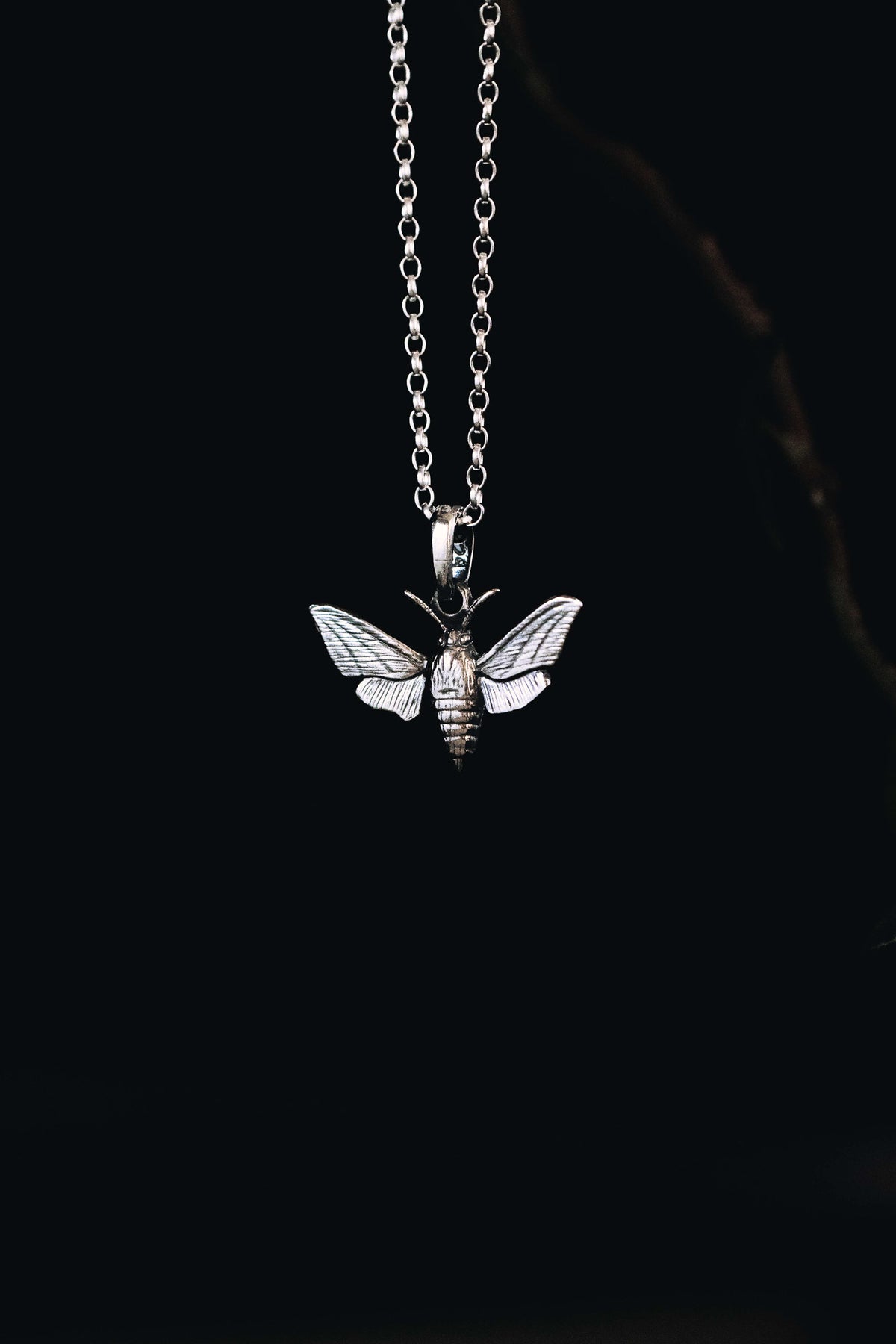
Cottage Goth finds gathers current pieces; individual guides keep them beside the subject they belong to.
Where it all overlaps
Cottage Goth has blurred edges. It shares rooms, clothes and imagery with cottagecore, goth, dark academia, witchcore, goblincore, dark mori, folk horror and several other aesthetics without becoming identical to any of them.
Those overlaps are useful rather than inconvenient: they give us a much larger visual language to work with. The Cottage Goth overlaps guide shows the shared territory and where each neighbouring aesthetic tends to move in a different direction.
The same things also cross subject boundaries. Foxglove moves from the garden into medicine and folklore. Blackthorn moves from hedge ecology into sloes and old stories. Mourning jewellery touches dress history, grief and craftsmanship. Lime connects old houses, chemistry and repair.
That is why the Cottage Goth Index is worth wandering through rather than treating the site as a row of separate categories.