Cottage Goth is not visually sealed off from the rest of the internet. It borrows from older subcultures, newer aesthetics, actual rural life, garden history, interior design, folklore and fashion. That is useful. It means a good Cottage Goth image does not need to arrive with “Cottage Goth” written underneath it.
The cards below show the shared territory. They are not rules, and they are not a test of whether somebody's room or clothes are doing the aesthetic correctly. They are a way to understand why an image can feel close, and which part of it is worth carrying into Cottage Goth.
A useful sourcing rule: borrow the overlapping part, not the whole aesthetic. A mossy forest floor does not stop being useful because somebody calls it Goblincore. An old library can supply books, candlelight and dark timber without turning a Cottage Goth kitchen into Dark Academia.
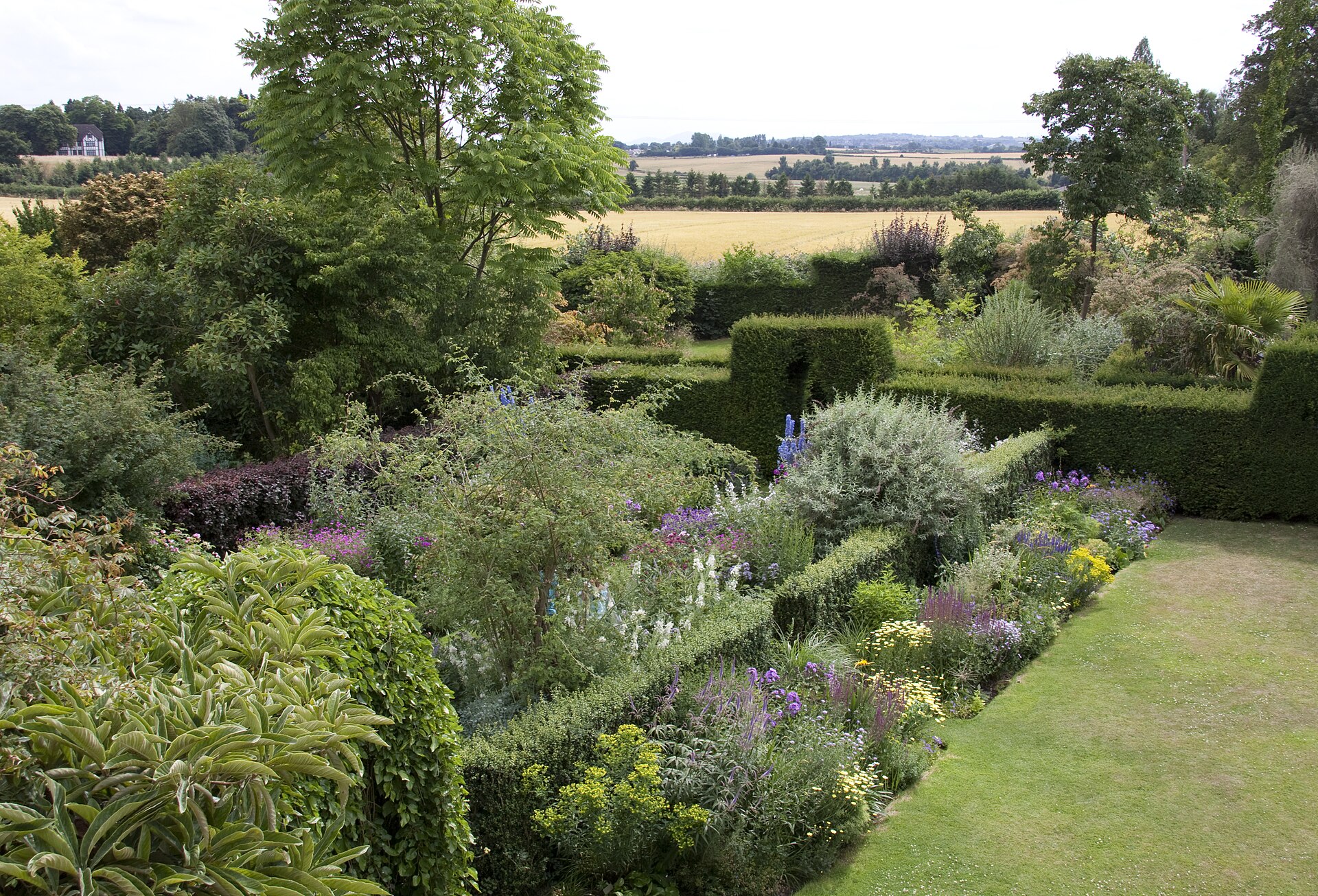
Cottagecore
Shared: cottages, gardens, handwork, old furniture, rural domestic life.
The drift: Cottagecore is often at its visual centre in summer sun and fresh abundance. Cottage Goth becomes more itself in cloud, rain, shade, autumn and winter.
Tony Hisgett / Wikimedia Commons ↗.jpg)

Goth
Shared: black, lace, silver, mourning jewellery and an appetite for darkness.
The drift: Goth is a music-rooted subculture with its own history, nightlife and fashion. Cottage Goth takes some of that visual language into the country, the garden and ordinary daytime life.
Shop Dixi ↗
Dark academia
Shared: old books, candles, dark wood, melancholy and rooms that reward lingering.
The drift: Dark Academia gravitates towards libraries, universities and scholarship as atmosphere. Cottage Goth leaves the institution for kitchens, gardens, lanes and actual field guides.
Jan Vermeulen / public domain ↗
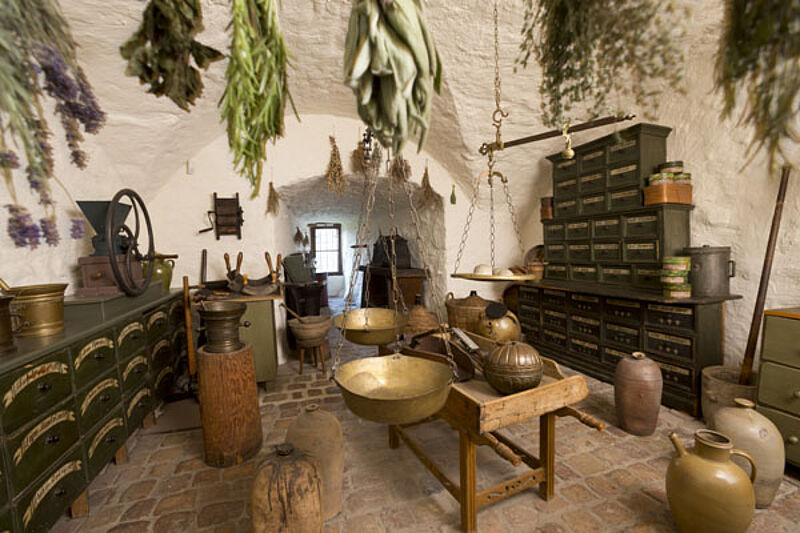
Witchcore
Shared: herbs, candles, old bottles, poisonous plants, moonlit rooms and the figure of the witch.
The drift: Witchcore often foregrounds ritual, divination and magical practice. Cottage Goth can carry the same objects while leaving them as household, botanical or folkloric detail.
Deutsches Apotheken-Museum ↗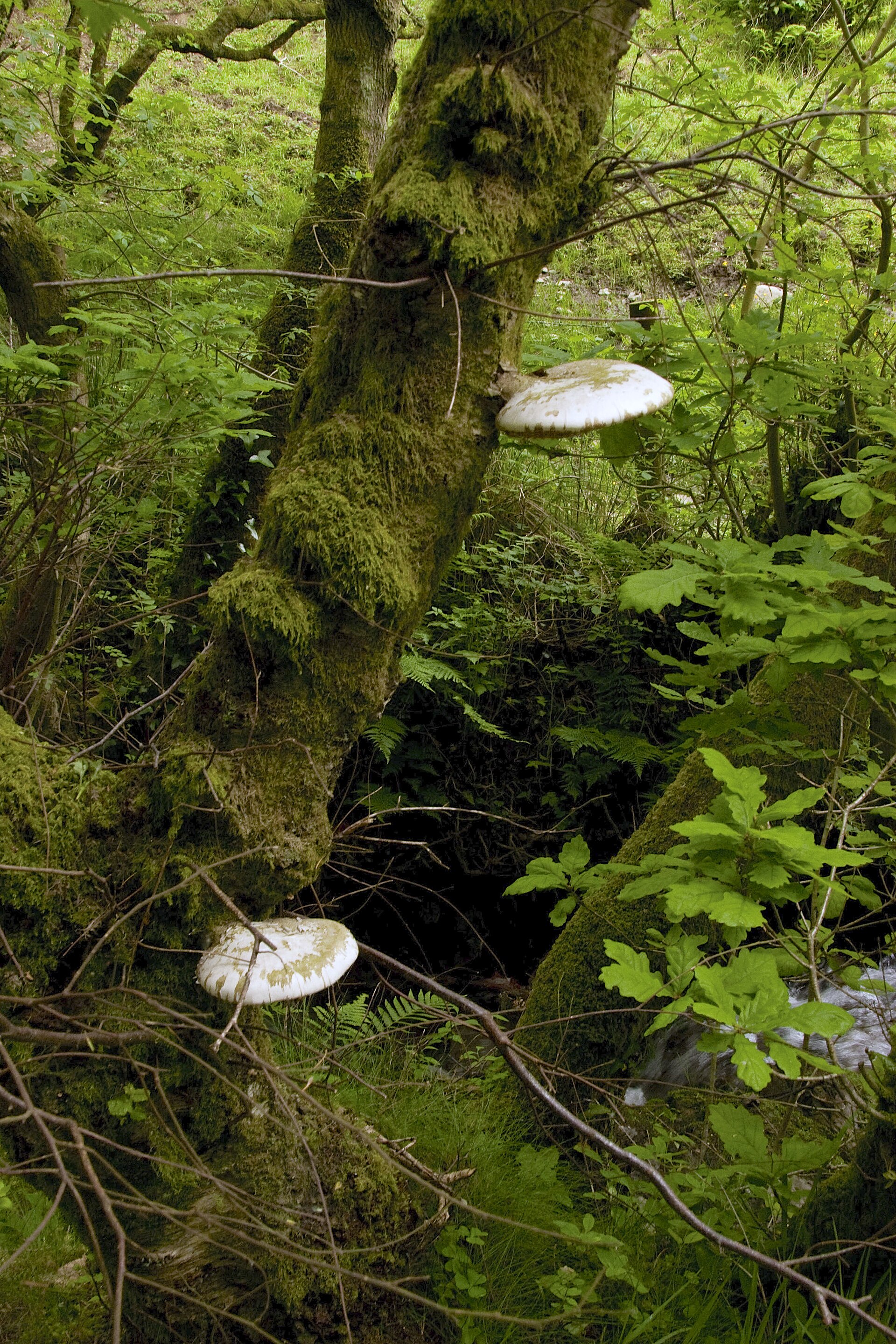
Goblincore
Shared: moss, fungi, bones, beetles, mud, foraging and the small things underfoot.
The drift: Goblincore often enjoys collecting, mess and playful ugliness. Cottage Goth tends to frame the same natural subjects with more romance, restraint and unease.
Chris Denny / Geograph ↗

Whimsigoth
Shared: velvet, candles, witchy references and richly shadowed rooms.
The drift: Whimsigoth loves 1990s celestial motifs, stars, moons and saturated jewel tones. Cottage Goth is usually earthier: faded florals, botanical forms, tarnished metal and weathered timber.
Pinterest ↗
Strega / dark mori
Shared: layered dark rural dress, loose silhouettes, natural fibres and clothes that look at home in woodland.
The drift: Dark mori and related styles are fashion systems in their own right. Cottage Goth can borrow their layering without making clothing the whole aesthetic.
Dark mori reference ↗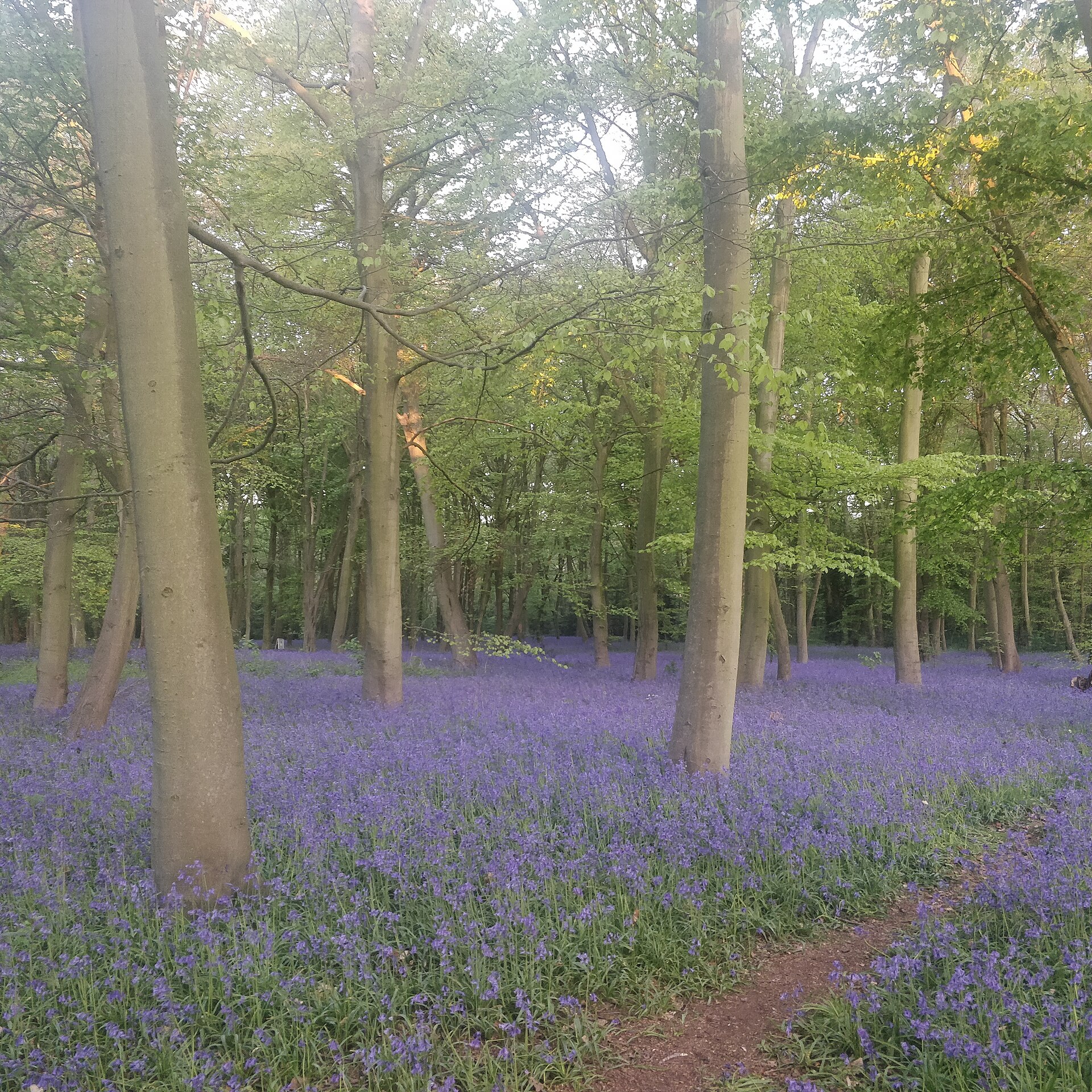
Fairycore / fairy grunge
Shared: woods, mushrooms, flowers, old stories and the possibility that something is just out of sight.
The drift: Glitter, wings, sugary pastels and explicit fairy styling pull away from Cottage Goth. The woodland itself does not.
Helenaver / Wikimedia Commons ↗

Southern gothic
Shared: rural decay, old houses, family history, nightgowns, heat-hazed unease and beauty with something wrong underneath.
The drift: Southern Gothic is rooted in a specific American history, climate, religion and social landscape. Cottage Goth's centre is wetter, cooler and more British-European in its references.
Front Porch Life ↗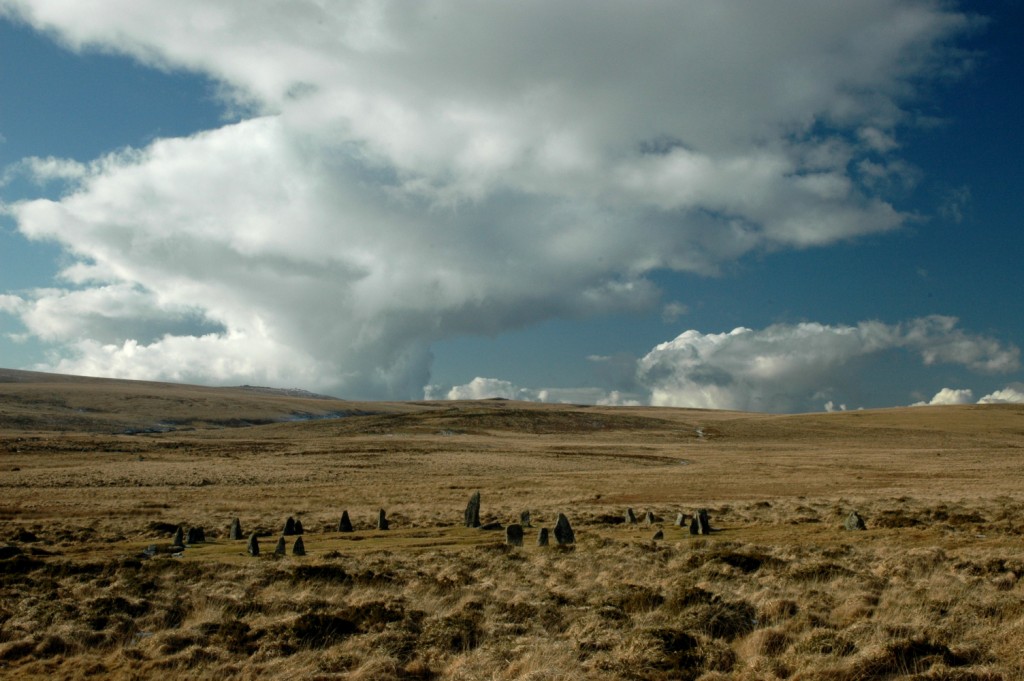
Folk horror
Shared: landscape, local belief, old customs, isolation and the sense that a place remembers more than its visitors do.
The drift: Folk horror is a narrative genre built to generate threat. Cottage Goth can live in the same lane or village without requiring anybody to be sacrificed at the end.
Wikimedia Commons ↗
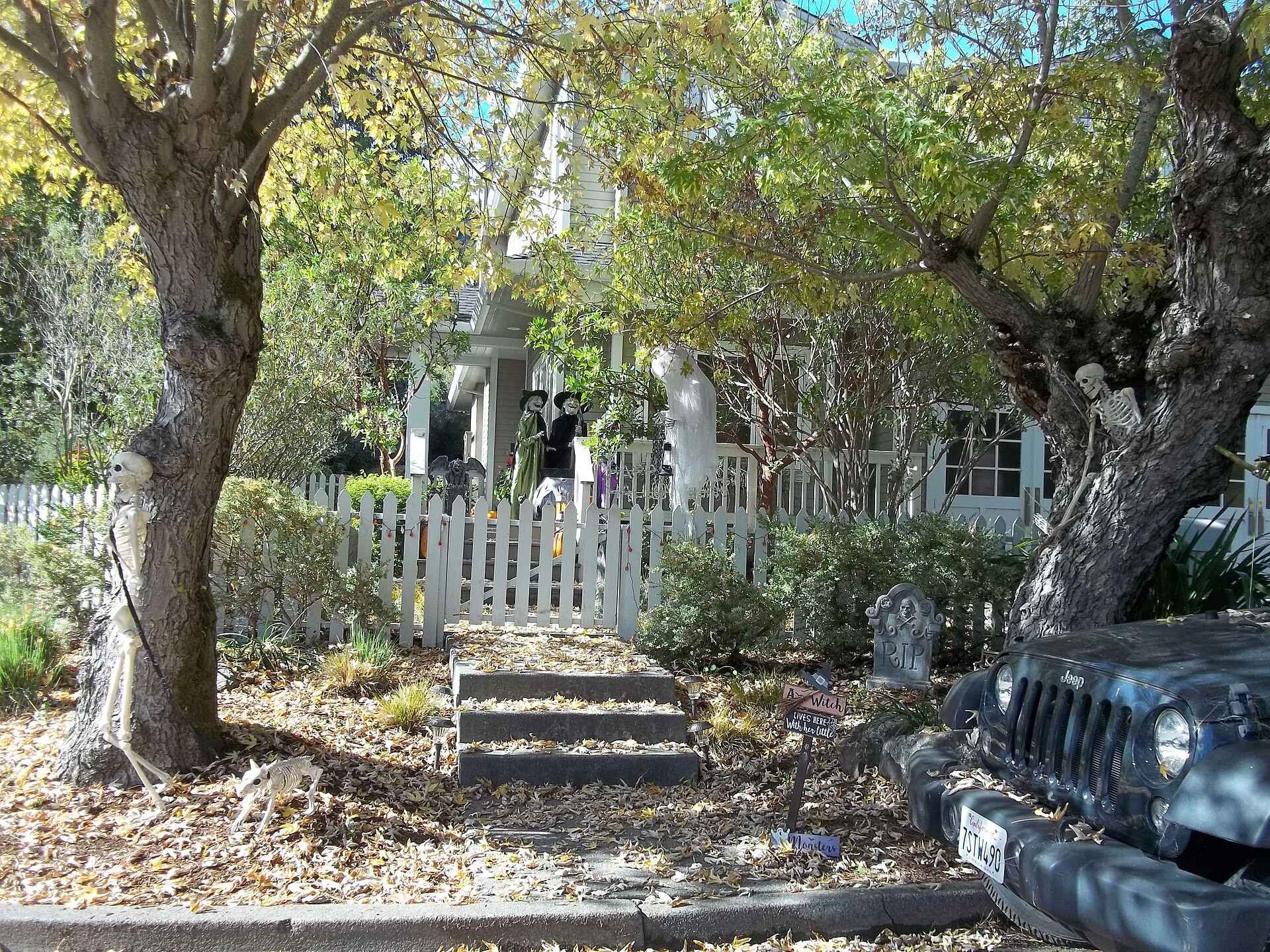
Halloween decor
Shared: pumpkins, bats, skulls, black candles and a taste for the macabre.
The drift: Halloween is seasonal and happily theatrical. Cottage Goth is meant to survive November: fewer novelty props, more objects and materials that still make sense in February.
Ninsative / Wikimedia Commons ↗

Vamp Romantic
Shared: lace, velvet, high collars, long black silhouettes and the moors as irresistible scenery.
The drift: Vamp Romantic is polished, dramatic and evening-facing. Cottage Goth usually works better matte, layered and ready to be worn before dark.
GemGrace editorial ↗
Farmhouse / modern cottagecore
Shared: the rural house, old tables, pottery, wood, kitchens that are actually used.
The drift: when everything becomes clean, white, new and coordinated, the texture drops away. Cottage Goth needs age, shadow, irregularity or weather somewhere in the room.
House & Garden ↗
Tradwife
Shared visually: chickens, baking, gardens, old houses and rural domestic work can appear in both feeds.
The drift: Tradwife is a lifestyle and ideological identity built around prescribed gender and family roles. Cottage Goth has no required family structure, gender role or domestic politics. A photograph of chickens cannot tell you either way.
Cottagecore visual reference ↗The overlap is where combinations become interesting
Requiring every interior, garden, outfit or woodland scene to arrive already labelled “Cottage Goth” turns a flexible aesthetic into a rigid category. The label matters less than the observable details.
Look at what the image contributes. A dark-mori outfit may clarify layering. A Goblincore photograph may show moss and fungi at close range. A real farmhouse kitchen may contain timber, brass and accumulated objects even when its walls are pale. A Cottagecore garden can shift completely when the season changes and the light drops.
The connection lies in what carries across: texture, material, season, light and silhouette.