
Folklore reference
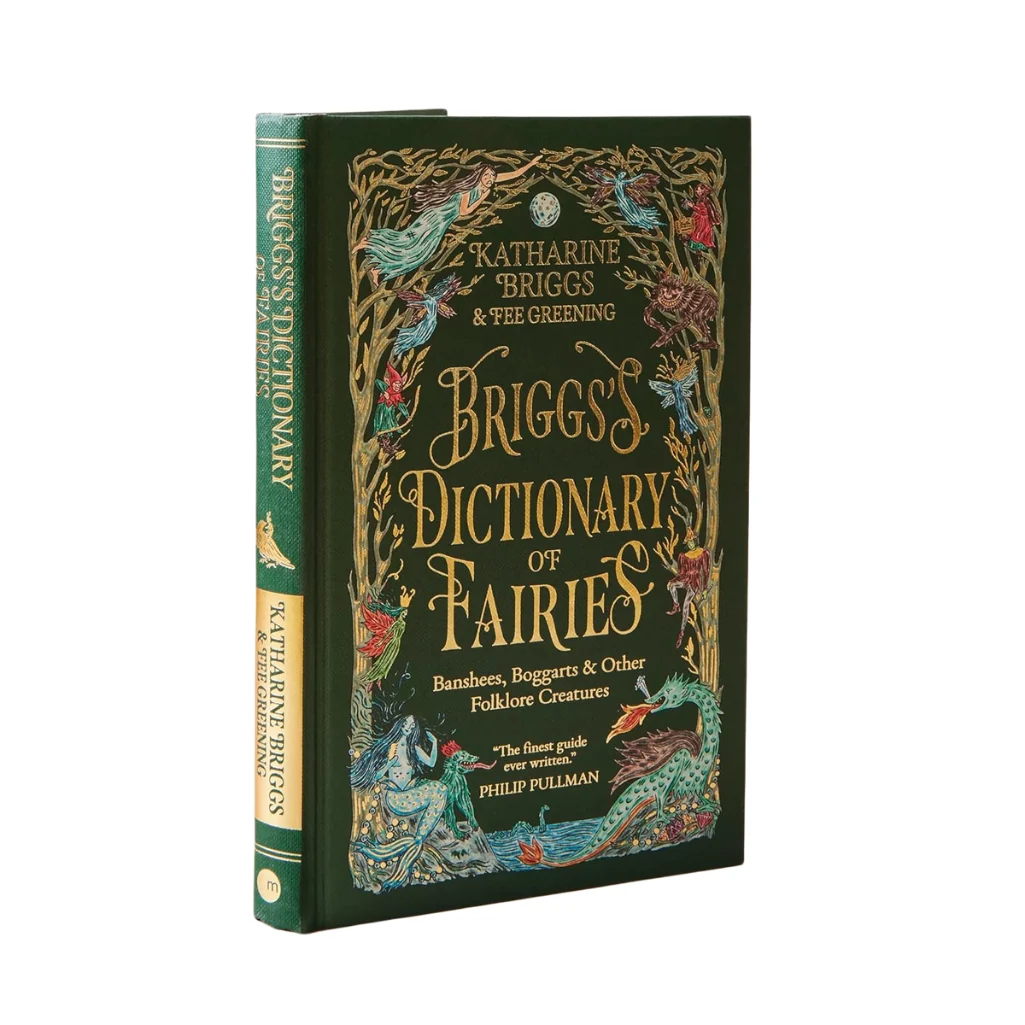
Briggs's Dictionary of Fairies
A compact route into fairy names, creatures and recorded traditions from one of Britain's major twentieth-century folklorists.
Find the book ↗Folklore
Local stories, strange creatures, old customs, haunted places and the trails they leave through books, archives and memory.
Folklore begins with particulars: a black dog on one road, a fairy known by a local name, a charm written down in one county, a tree that is lucky in one story and ominous in the next. Each carries more evidence than the floating phrase “people once believed”.
The contradictions are part of it. Stories move. Names change. Collectors disagree. A tale written down in 1890 may have been old then, newly invented, or something in between.
The black dog at Peel Castle is one local form of a much wider folkloric pattern. Stories of spectral black dogs recur across Britain under different names, but resemblance is not proof that every account descends from one ancient belief. The interest lies in what travels and what remains stubbornly local.
George Waldron's History and Description of the Isle of Man, first published in 1731 and reissued in 1744, records the Mauthe Doog, now normally written Moddey Dhoo. Waldron describes a large black spaniel with shaggy, curled hair which appeared in the guard chamber at Peel Castle. The soldiers grew accustomed to its presence, yet began going in pairs when the nightly duty of carrying the castle keys took them through the passage from which it appeared.
One soldier reportedly took the keys alone after mocking the others' caution. He returned unable to speak and died three days later. Waldron says the dog was not seen afterwards and the passage was closed. He claimed that several people had attested the incident, particularly an old soldier who said he had often seen the apparition. That establishes what Waldron reported, not that a supernatural dog existed.
An earlier printed account places another black dog in a very different setting. Abraham Fleming's 1577 pamphlet A Straunge and Terrible Wunder describes a violent storm and a black, dog-shaped apparition in the churches at Bungay and Blythburgh in Suffolk. Fleming presented the event as a divine warning. Christian Owen's modern study places the pamphlet within religious conflict in Elizabethan Bungay; East Anglian tradition now commonly connects the account with Black Shuck.
Placed beside one another, the stories share a frightening black dog, exact locations and reported deaths. Their structures are different. Peel's dog is a familiar presence inside a garrison until one private encounter ends the story. Fleming's creature runs through a congregation during a public storm, in a pamphlet shaped as a religious warning. The recurring figure crosses geography; the stories acquire their meaning locally.
When a story catches your attention, the trail behind it can be as good as the story itself. A modern book may point to an older collection; that collection may name the village, the teller or the person who recorded it.
The Folklore Society, founded in London in 1878, has published Folklore and its predecessors for well over a century. Local archives, old newspapers, county histories and digitised books can take a familiar claim somewhere much stranger than the first search result.
Old sources are not magic truth machines. Collectors had fashions, assumptions and blind spots of their own. They are interesting because they tell us what was recorded, by whom and where.
If you want a simple route through that process, see How to check a folklore claim.
Black dogs, mermaids, fairies, ghosts, witches, boggarts and spectral hunts appear across Britain, but they do not arrive with one national script. The place matters.
Blackthorn is a good example. It has a long association with witchcraft and magic, but that does not make every thorn hedge a universal symbol with one ancient meaning. In one story the detail may be the wood, in another the thorns, in another a particular local custom.
Named wells, lanes, boundary trees, farms and hills give folklore its texture. They also make it possible to go looking.
Folk horror takes landscape, isolation, belief and old custom and turns them into art. Witchfinder General, The Blood on Satan's Claw and The Wicker Man are three familiar British landmarks, but the territory now stretches through television, novels, games and work from far beyond Britain.
It borrows freely from folklore and sometimes invents traditions so convincingly that the invented version acquires a life of its own. That is part of the pleasure — as long as the film and the old story are allowed to remain two different things.
See What is folk horror? for that side of the path.
Blackthorn, elder, hawthorn, rowan, yew and oak all have ordinary physical lives as well as legendary ones. They flower, fruit, mark boundaries, make timber, feed animals and stand in the same places for generations.
That repeated contact is fertile ground for story. A thorn tree beside a path has a different cultural life from a plant known only from a book.
A neat universal meaning is often less interesting than several incompatible local ones. If one county tells the story differently from another, there is no need to tidy them into a single rule.
Specific details preserve the mystery while keeping differences between places and tellers visible.
Guides

How to follow an intriguing bit of folklore back through names, places, dates, old collections and earlier versions.
Open guide →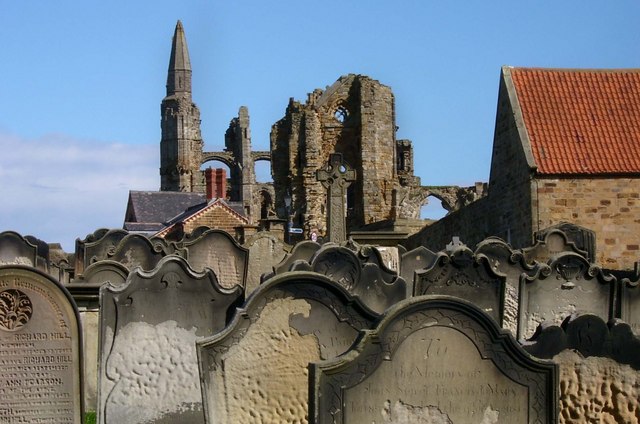
Folk horror is a modern critical category shaped by film, television and literature, distinct from folklore and historical evidence about rural life.
Open guide →On the bookshelf
Folklore, landscape, gardens, fungi and fiction. Not a definitive canon; a shelf that opens useful doors.
A compact route into fairy names, creatures and recorded traditions from one of Britain's major twentieth-century folklorists.
Find the book ↗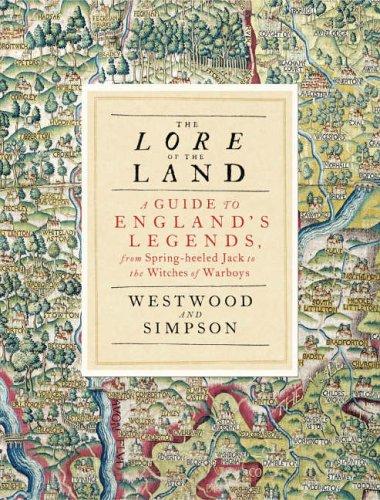
British legends tied to actual places: the sort of book that makes an ordinary road, hill or churchyard acquire a second layer.
Find the book ↗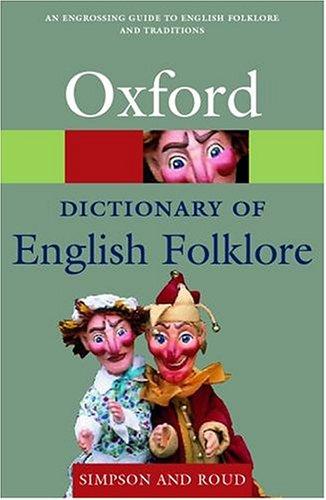
A serious reference for customs, beliefs, creatures and traditions when an internet claim needs something firmer behind it.
Find the book ↗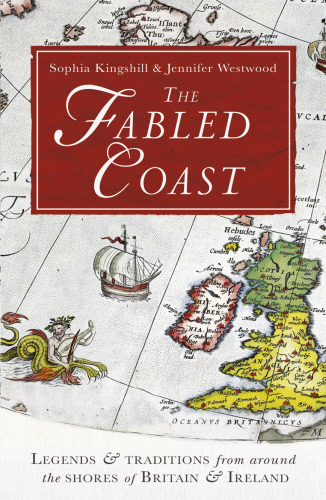
Sea legends, islands, monsters and local stories around Britain and Ireland: folklore with weather and geography attached.
Find the book ↗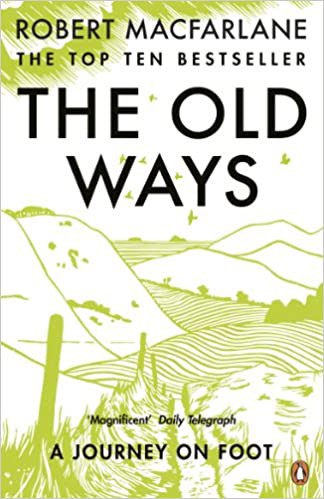
Paths, walking and the memory held in landscapes; useful when Cottage Goth needs to leave the moodboard and go outside.
Find the book ↗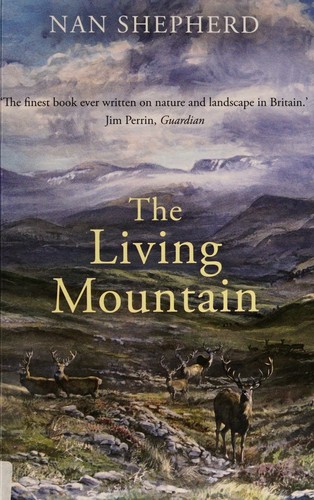
A close, sensory book about the Cairngorms that makes weather, stone, water and attention feel more important than scenery.
Find the book ↗
Fungi without reducing them to mushroom motifs: strange biology, decomposition, symbiosis and the life underfoot.
Find the book ↗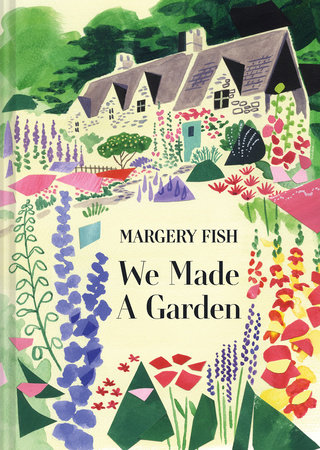
A classic account of making a densely planted English cottage garden, full of experiment, disagreement and practical observation.
Find the book ↗
Landscape, imagined ancient Britain and menace compressed into a short novel: very close to the folk-horror edge of the aesthetic.
Find the book ↗
The 2026 stage adaptation returns to the Manningtree witch trials as lived social history: fear, control, accusation and the weaponising of women's voices.
Find the book ↗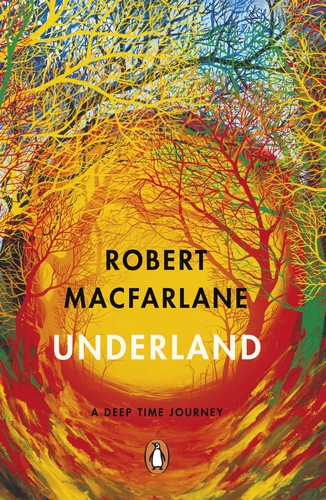
Caves, burial, roots, darkness and deep time: a reminder that the darker landscape is often literally underneath us.
Find the book ↗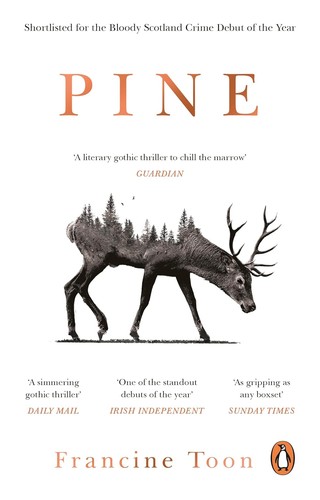
A Highland setting, winter darkness, domestic life and the uncanny without leaving the contemporary rural world behind.
Find the book ↗