Nature
Nature & wildlife
Ravens and rookeries, moths after dark, hedges, fungi, deadwood and the quieter life of the darker seasons.

Some of the strongest Cottage Goth imagery is simply the countryside looked at closely: a raven crossing a grey sky, a rookery loud in bare trees, moths at honeysuckle after dusk, blackthorn full of sloes, moss brightening after rain.
Once you start noticing the details, the familiar symbols become much less generic. A rook is not a small raven. A hedge is not just a dark green backdrop. A dead branch can be crowded with life.
Eight very different members of the crow family
Britain's regular corvids include Raven, Carrion Crow, Hooded Crow, Rook, Jackdaw, Chough, Magpie and Jay.
A Raven is enormous, with a heavy bill and wedge-shaped tail. A Rook has pale bare skin around the bill and spends much of its life socially, often beneath a noisy rookery. Jackdaws are small, quick and pale-eyed. Choughs carry red bills and red legs. Jays flash blue through woodland.
Those differences alter the landscape. A March rookery over a village is a different sight and sound from a pair of ravens crossing a headland.
See How to identify Britain’s eight corvids for photographs and field marks for all eight.
Dead wood is rarely dead for long
A fallen branch softens, darkens and disappears slowly into the ground. Fungi move through it. Beetle larvae feed inside it. Mosses and lichens settle on the surface. Birds pull insects from the bark.
Woodland Trust describes deadwood as an essential part of woodland recycling: nutrients return to the soil while the timber becomes habitat for fungi, invertebrates and other wildlife.
The mushroom or bracket we notice is only the visible fruiting body of a fungus whose hyphae may be running through wood or soil out of sight.
See Fungi and mushrooms and Mosses and lichens for the organisms making those old surfaces look alive.
The garden has a night shift
Britain has more than 2,500 moth species, from tiny micro-moths to large hawk-moths. Some are brown, certainly; others are green, pink, metallic, white or intricately patterned.
In a garden, their needs are wonderfully ordinary: caterpillar foodplants, nectar for the adults that feed, shelter and darkness. Hedges, trees, longer grass, leaf litter and fewer pesticides all help.
See Moths after dark and the moth-friendly night garden.
Bats follow the insects
Common and soprano pipistrelles are tiny, fast-flying bats often encountered around gardens. Hedges, tree lines, ponds and insect-rich planting give them places to feed and move through the landscape.
Artificial light can disrupt roost emergence and dark flight routes, so darkness itself is part of the habitat.
See Bats after dark.
Owls sound different once you know who is calling
Tawny owls give the familiar woodland hoots and “ke-wick” contact calls. Barn owls are pale open-country hunters whose calls are much harsher — screeches rather than the classic hoot.
See Owls in the dark for the distinction between the symbol and the living bird.
A pond changes the garden at ground level
Frogs, toads and newts need safe routes between water and damp terrestrial shelter. A shallow edge, plants, logs and leaf litter make a pond useful in ways a steep ornamental basin is not.
See Frogs, toads and a dark wildlife pond.
Winter brings different things forward
When the leaves fall, nests appear. Bark and lichen become easier to see. Rooks stand black against the sky. Seed heads catch frost. Mosses brighten when the canopy opens and the weather turns wet.
The darker half of the year is not an empty version of summer. It has its own textures, sounds and small events — and quite a lot of the Cottage Goth atmosphere arrives without anybody styling it.
Sources and further reading
Guides
Explore nature.
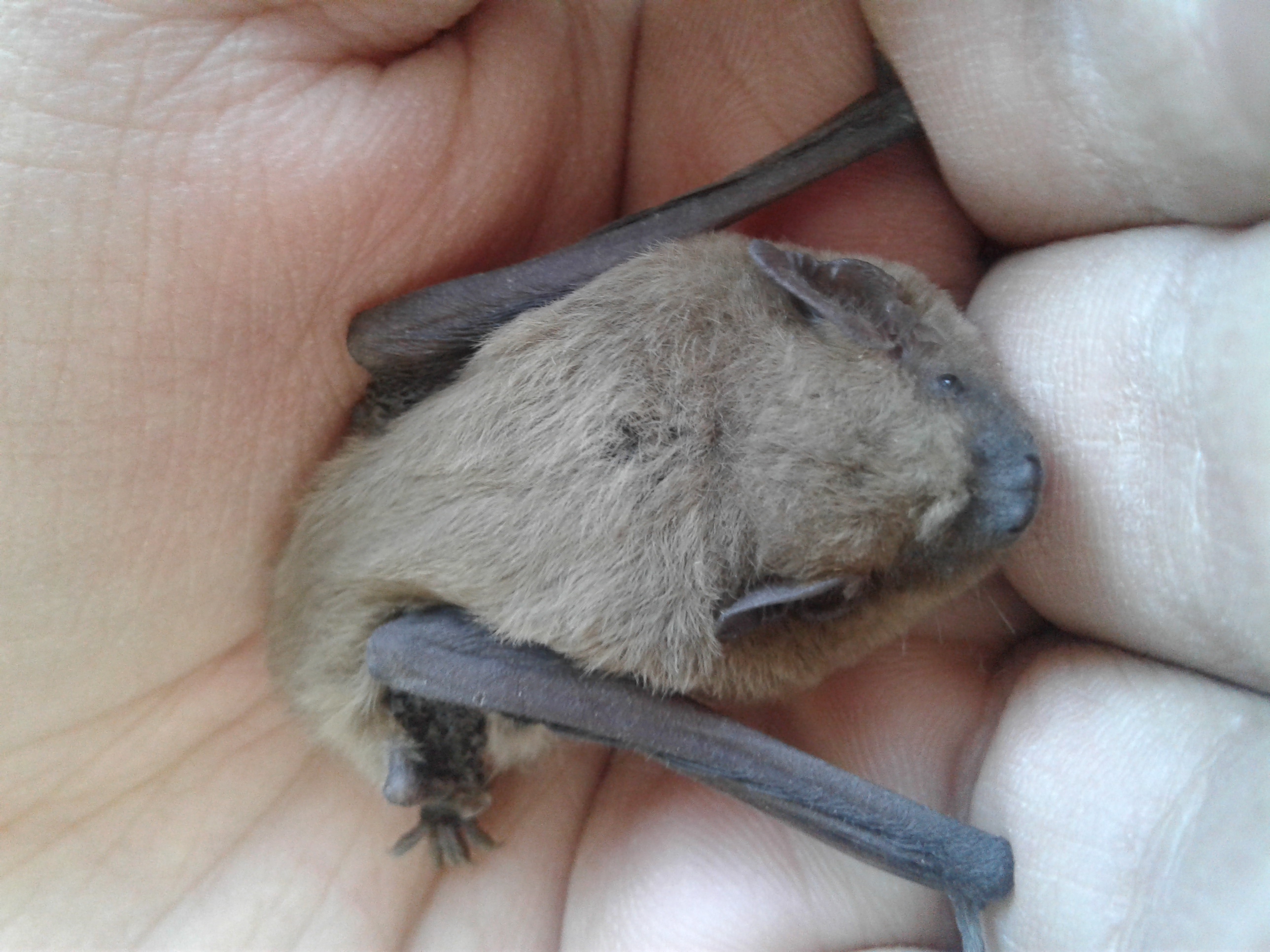
Bats after dark
Pipistrelles, hedges, ponds, moths and dark flight lines — what British garden bats are actually doing after sunset and how to make space for them.
Open guide →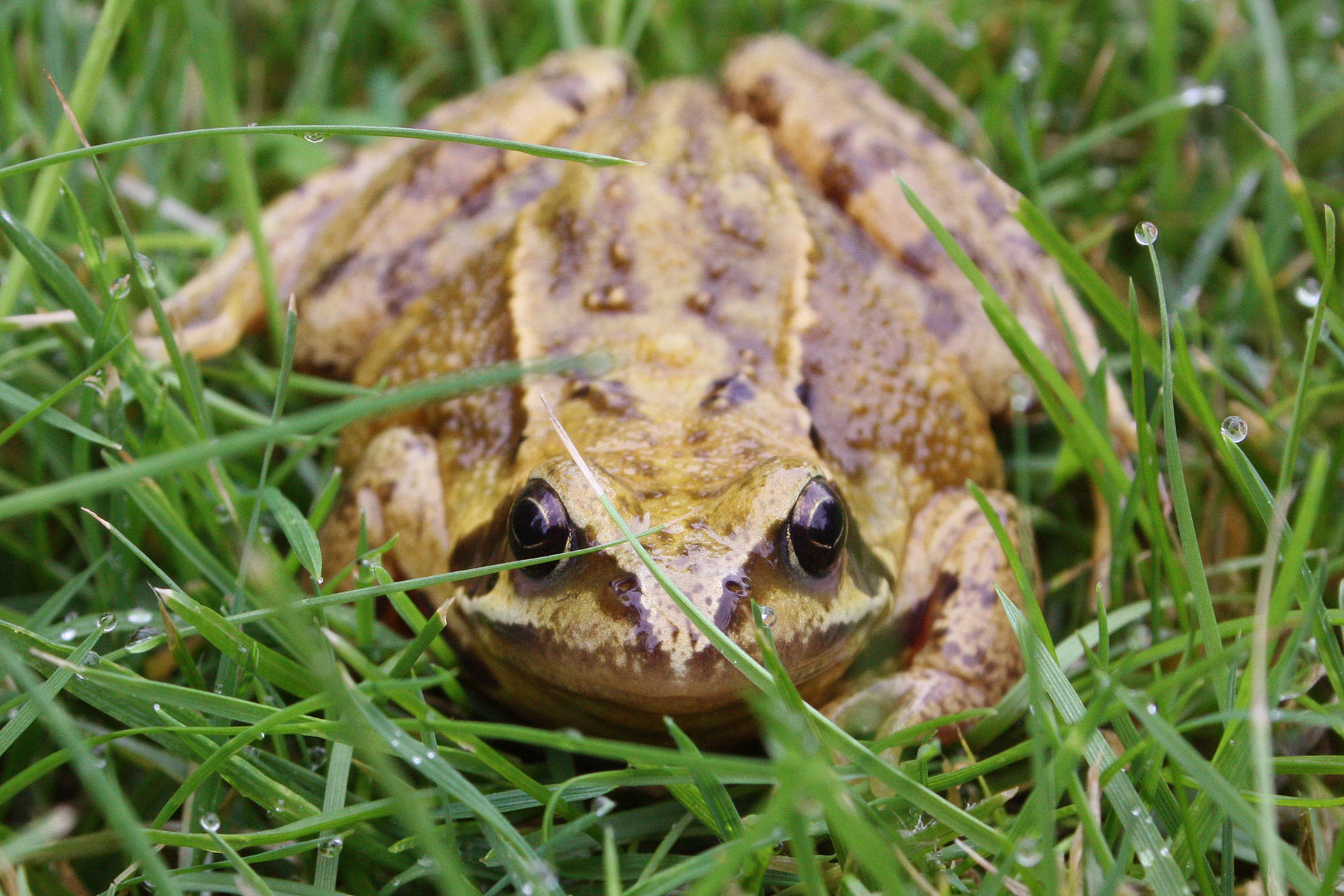
Frogs, toads and a dark wildlife pond
A shallow-edged pond, wet leaves, logs and amphibians moving through the garden — making water useful to wildlife as well as atmospheric.
Open guide →
Fungi and mushrooms
Brackets, caps, jelly fungi and fruiting bodies on dead wood — woodland fungi through their biology, habitats and seasonal forms.
Open guide →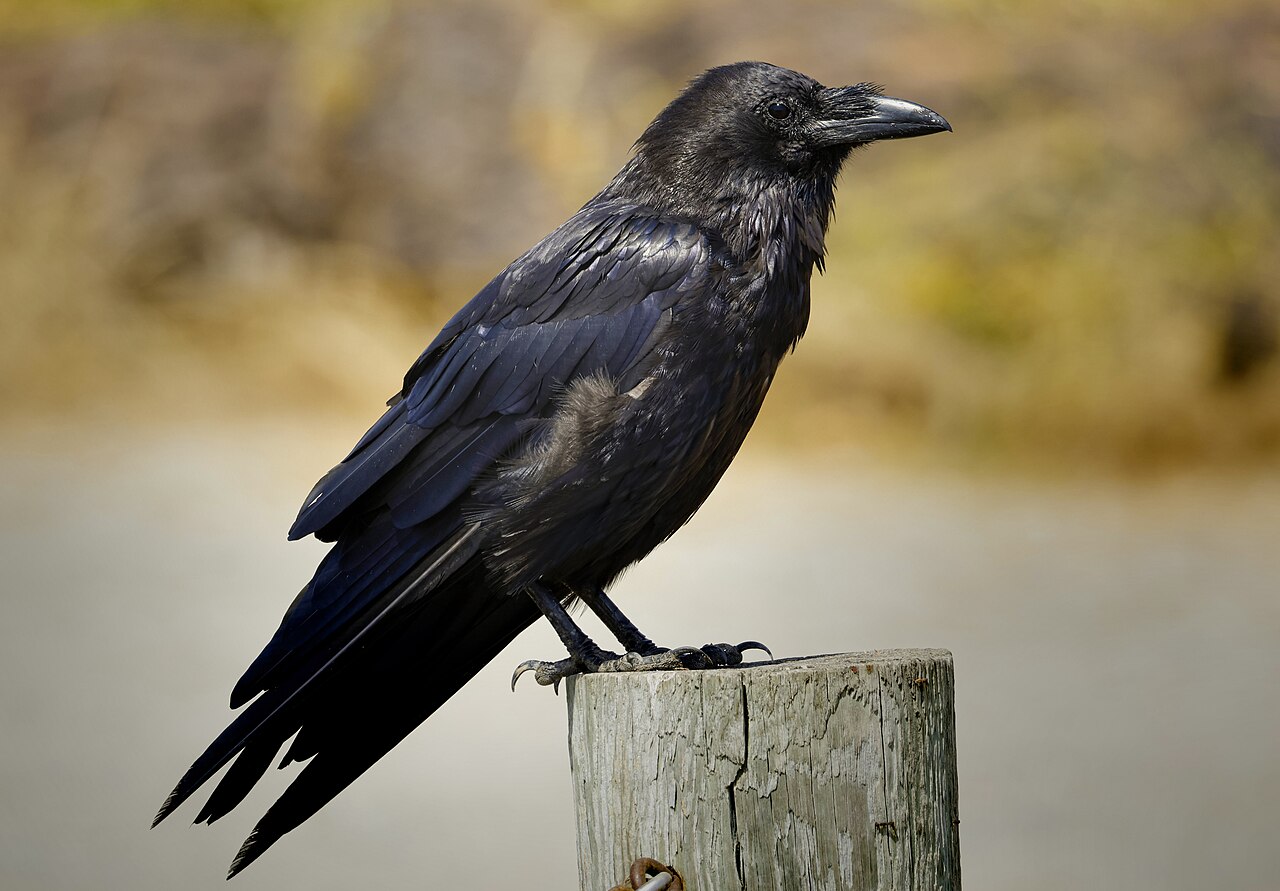
How to identify Britain’s eight corvids
Raven, Carrion Crow, Hooded Crow, Rook, Jackdaw, Chough, Magpie and Jay — the field marks that separate Britain’s eight regular corvids.
Open guide →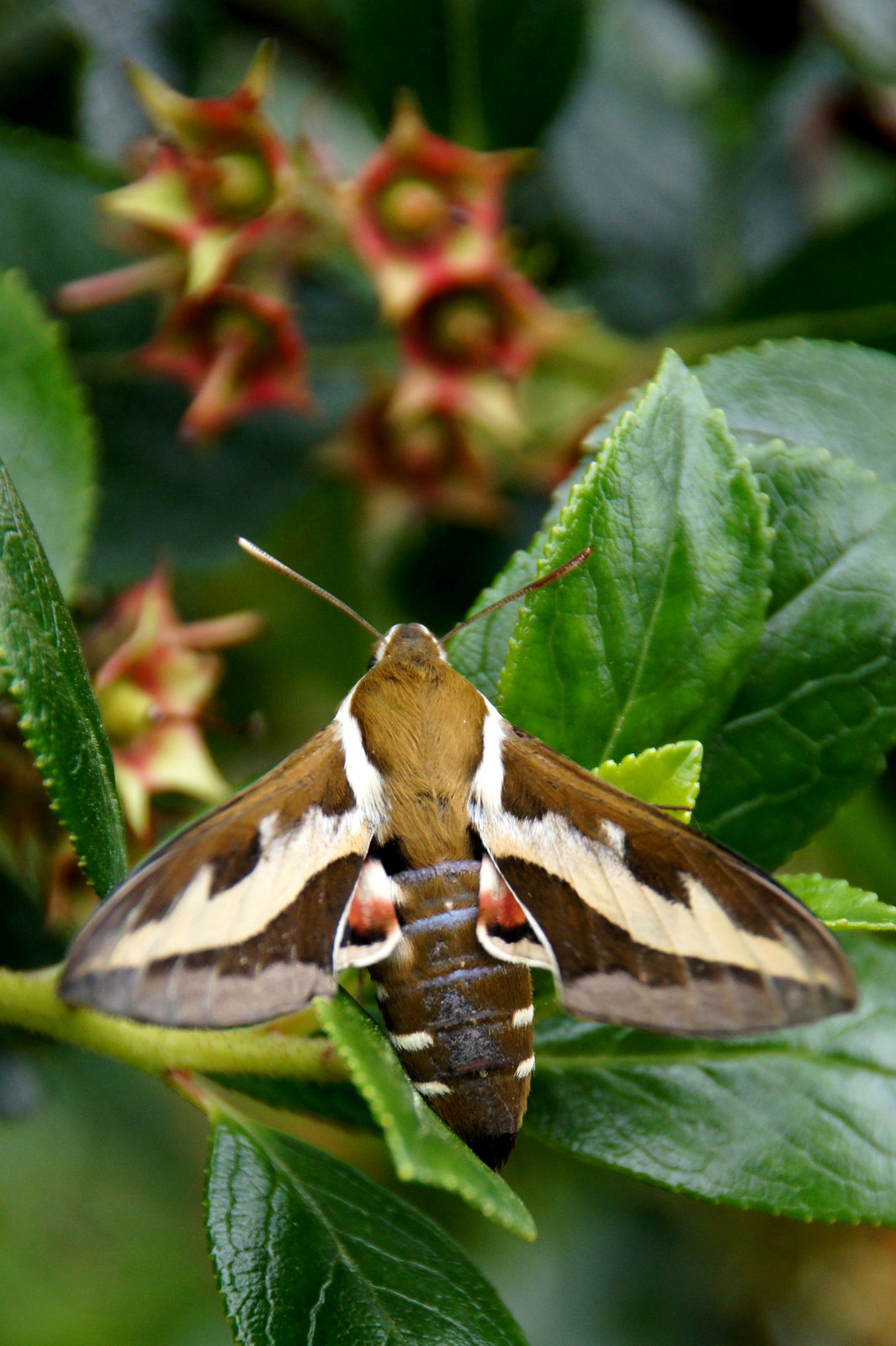
How to make your garden better for moths
Flowers after dusk, caterpillar foodplants, hedges, long grass and darker corners — the things that make a garden good for moths.
Open guide →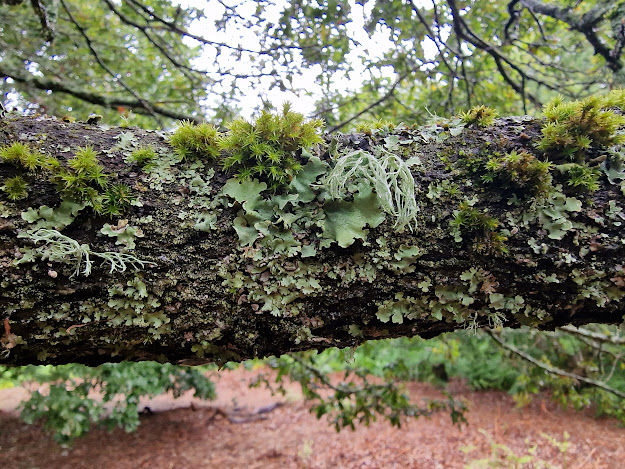
Mosses and lichens
Moss on stone, lichen on bark and tiny bryophyte landscapes — the slow surfaces that make old walls and wet woodland worth looking at closely.
Open guide →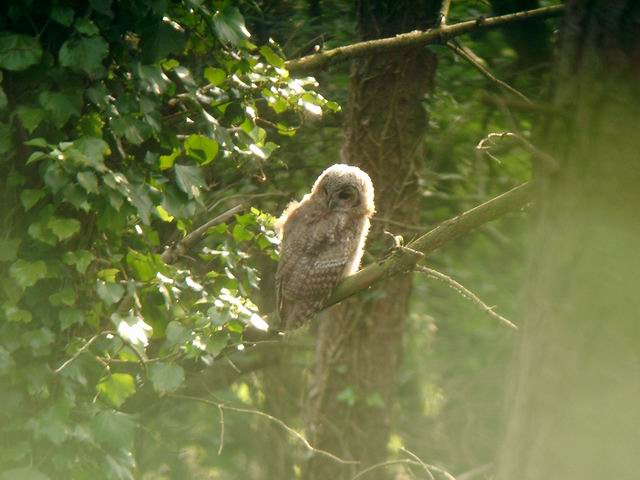
Owls in the dark
Tawny hoots, barn owl screeches and the places British owls actually live — an identification-first guide to birds that already carry enough atmosphere.
Open guide →