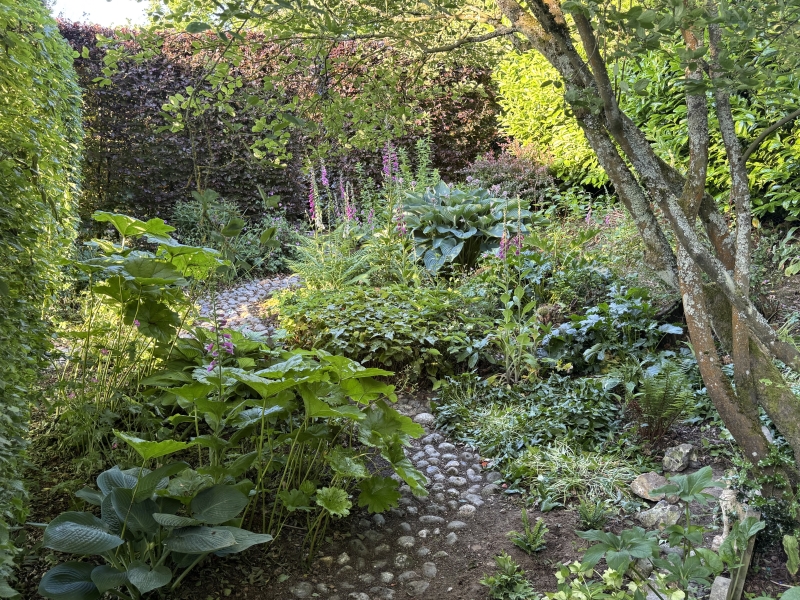
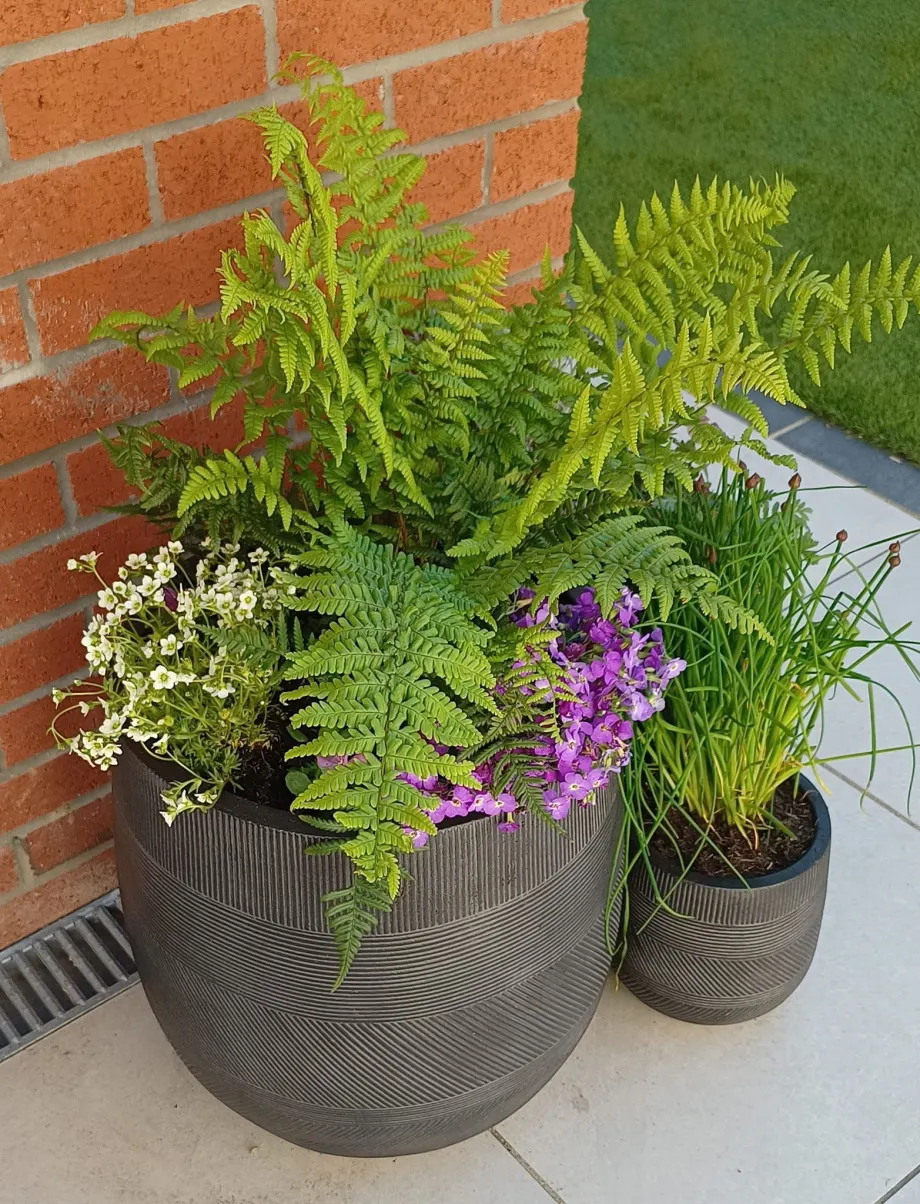
A night garden should become more useful when the light goes rather than simply disappear. Pale flowers, evening scent, moving moths, wet leaves and dark hedges all become more noticeable after sunset.
The RHS notes that Britain has around 2,500 moth species and recommends both nectar plants for adults and food plants for caterpillars. That distinction matters: a border full of night-scented flowers can feed visiting moths, but a garden that supports the whole life cycle needs leaves and stems that caterpillars can actually eat.
Start with flowers that work after dusk
Evening primrose, honeysuckle, jasmine, tobacco plant and other night-scented flowers advertise themselves when colour is becoming harder to see. Tubular, nectar-rich flowers suit many long-tongued moths.
Plant several together rather than scattering one specimen of each. A larger patch is easier for a flying insect to find and gives the border visual weight in daylight too.
Caterpillars need a different menu
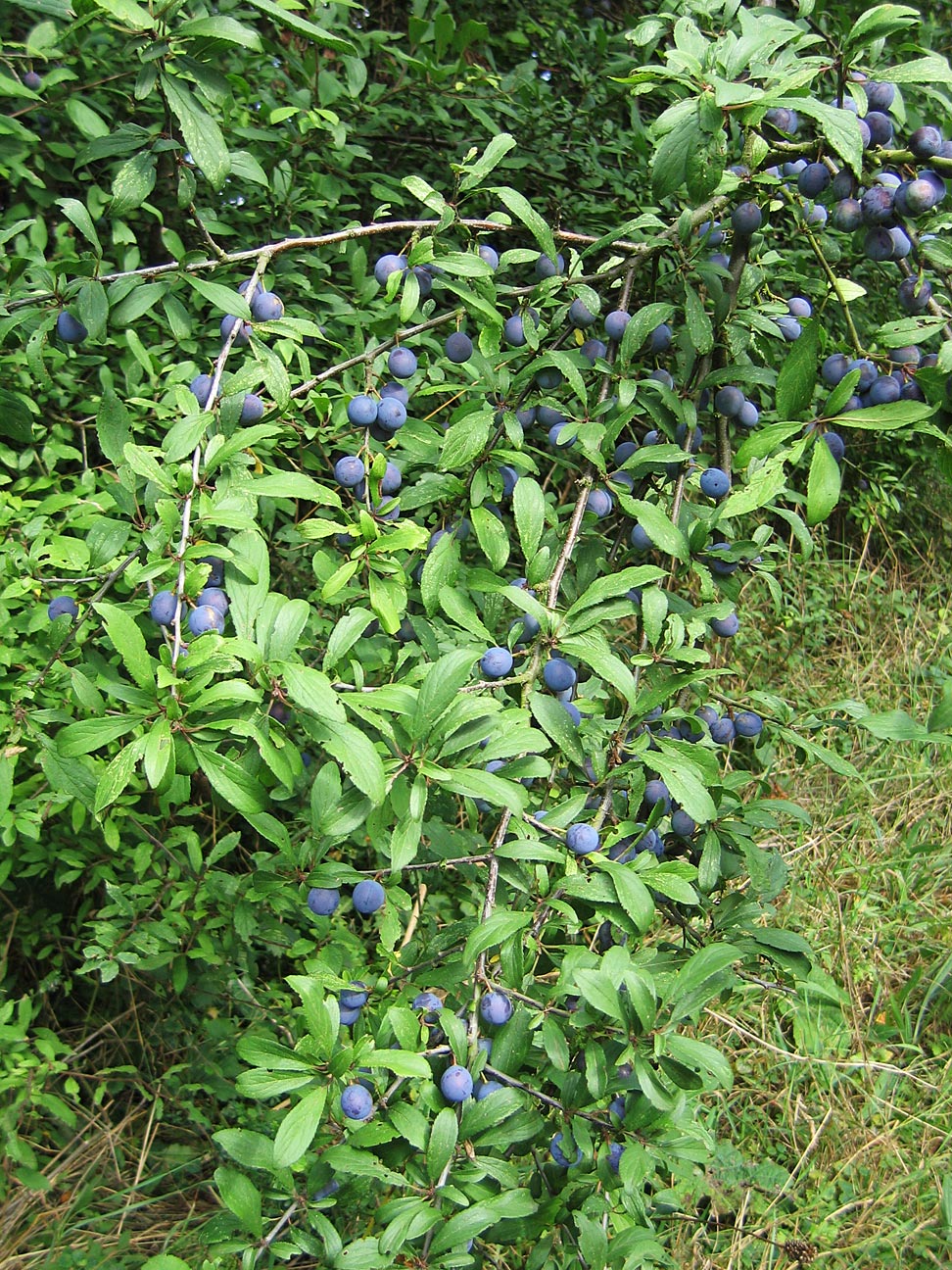
Some moth caterpillars use grasses, nettles, docks, willows, birches, hedgerow shrubs and many other ordinary plants. The plant that feeds the adult may have nothing to do with the plant required by its larvae.
That makes an untidy edge valuable. Leaving some nettles, long grass, hedge growth and stems can support more of the life cycle than a perfectly clipped border of nectar flowers alone.
_-_geograph.org.uk_-_897281.jpg)
Keep the useful darkness dark
Outdoor lighting changes nocturnal habitat. The RHS advises keeping night lighting to a minimum for moths, and the Bat Conservation Trust warns that artificial light can disrupt bat feeding and movement routes.
Light the step you need to see, not the entire hedge. Use low, directional light and switch it off when it is no longer needed.
Pale flowers still show after dusk
White, cream and very pale pink flowers remain visible later into the evening. They can make a dark border more visually interesting without becoming a white-themed garden.
Foxgloves are useful vertical punctuation in the right conditions, though they are toxic if ingested and need sensible siting around children and pets.

Add water, shelter and structure
A small pond or water container increases insect diversity and gives bats and other animals a drinking place. Hedges, climbers and trees make sheltered routes through the garden.
Leave hollow stems and some leaf litter through winter where practical. The Bat Conservation Trust specifically recommends varied planting heights, ponds, compost and hollow stems because all increase insect life.
Watch instead of decorating
Sit outside for twenty minutes after sunset. Look at honeysuckle, buddleia, tobacco flowers or other nectar plants and notice what arrives. A bat detector or moth trap can take observation further, but simply watching a flowering patch is enough to reveal that the garden has a second shift.