Garden
The Cottage Goth garden
Foxgloves, hedges, seed heads, shade, old stone and wildlife through the darker half of the gardening year.
Hedges, foxgloves, ferns, old walls, plants seeding into cracks and winter stems left standing give a Cottage Goth garden its looseness. Black flowers can join them without having to fill every bed.
Traditional cottage gardens help because they were never only decorative. Flowers sit beside herbs and fruit. Climbers use walls and fences. Paths, gates, sheds, pots and trees hold the garden together while the planting changes around them.
Foxgloves bring height and danger
Common foxglove, Digitalis purpurea, is native to Britain and Ireland. The Royal Horticultural Society describes it as a biennial or short-lived perennial that forms a basal rosette before sending up tall one-sided racemes of bell-shaped flowers. It tolerates a wide range of soils, prefers humus-rich ground and partial shade, and will also grow in sun.
It is also toxic if eaten. That mix of beauty, familiarity, medicinal history and real danger is more interesting than simply calling it “witchy”.
Let some flower spikes set seed if you want foxgloves to wander. Deadhead earlier if you do not. Gloves are sensible when handling plants, and foxglove should never be presented as edible or casually medicinal.
Read Foxglove: beautiful, native and poisonous for the fuller guide.
Keep the bones of the garden
Loose planting looks better when it has something solid to lean against. Old stone, brick, timber, iron, gravel, weathered pots, clipped hedges and mature tree trunks all give the softer planting an edge.
A border of pale flowers against dark yew can feel far more dramatic than a bed filled entirely with burgundy cultivars. In a small garden, one old wall, a simple arch or a narrow path may be enough structure for everything around it to loosen up.
Let summer leave a trace
Cutting everything to the ground as soon as it finishes flowering makes autumn arrive too abruptly. Seed heads, dry stems, rose hips, sloes, grasses and fallen leaves keep shape in the garden and often provide food or shelter as well.
This is not an argument for abandoning the paths. Diseased material can go; vigorous self-seeders sometimes need pulling back. The pleasure is in choosing what remains.
See The Cottage Goth garden in winter for seed heads, berries, bark and frost.
A hedge is more than a boundary
Blackthorn, hawthorn, hazel and mixed native hedging bring blossom, fruit, thorns, nesting cover and insects into the same strip of ground. Blackthorn (Prunus spinosa) is especially rich: early white blossom, dense thorny growth and blue-black sloes in autumn. Woodland Trust notes that its flowers provide early nectar and pollen, its foliage supports the caterpillars of several moth species, and birds use the thickets for nesting and feeding.
It also carries a long tail of folklore, particularly around witchcraft and protective or threatening magic. Those stories belong beside the plant, not in place of it.
Read Cottage Goth hedgerows for the full boundary — hawthorn, blackthorn, rose, honeysuckle and the hedge base.
Make something of the shade
The darker side of a garden is often literally the shaded side. Ferns, mosses, hellebores, ivy, epimedium, woodrush and shade-tolerant bulbs can turn a difficult corner into one of the best parts of the garden. Leaf shape and texture matter more here than a big hit of flower colour.
Under trees, avoid deep cultivation that damages roots. Build the planting slowly and notice how dry the shade becomes in summer.
See A Cottage Goth shade garden.
Leave a little darkness
Moths are a good reason not to light every path and tree. Many species visit flowers after dusk, while their caterpillars depend on particular plants and are part of the food web for birds and other animals.
A garden with varied planting, some longer grass, hedges and fewer pesticides will do more for nocturnal life than a decorative “moon garden” under permanent outdoor lighting.
See A moth-friendly Cottage Goth night garden for night-scented flowers, food plants and dark routes.
Small spaces still count
A balcony, yard or narrow patio can carry the same principles at a different scale: one large fern, a climber, herbs, a dark container, a small wildlife pond and somewhere to sit.
See A small-space Cottage Goth garden.
Sources and further reading
Guides
Explore garden.
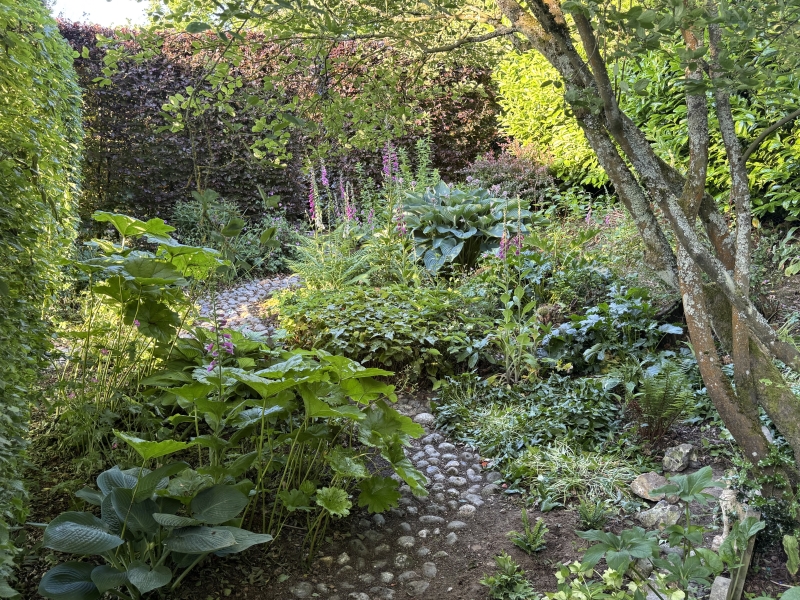
A Cottage Goth shade garden
Ferns, hostas, foxgloves, moss, leaf mould and layered green turn a shaded garden into something lush, old and woodland-like.
Open guide →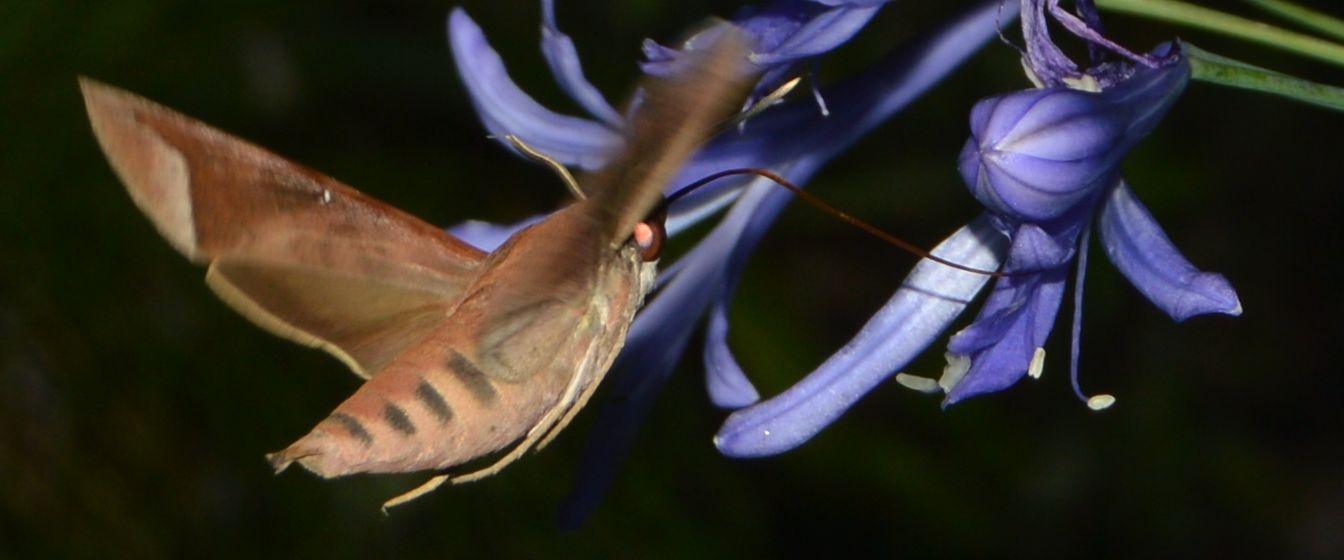
A moth-friendly Cottage Goth night garden
Night-scented flowers, caterpillar food plants, dark corners and a little water — a garden designed to become more interesting after sunset.
Open guide →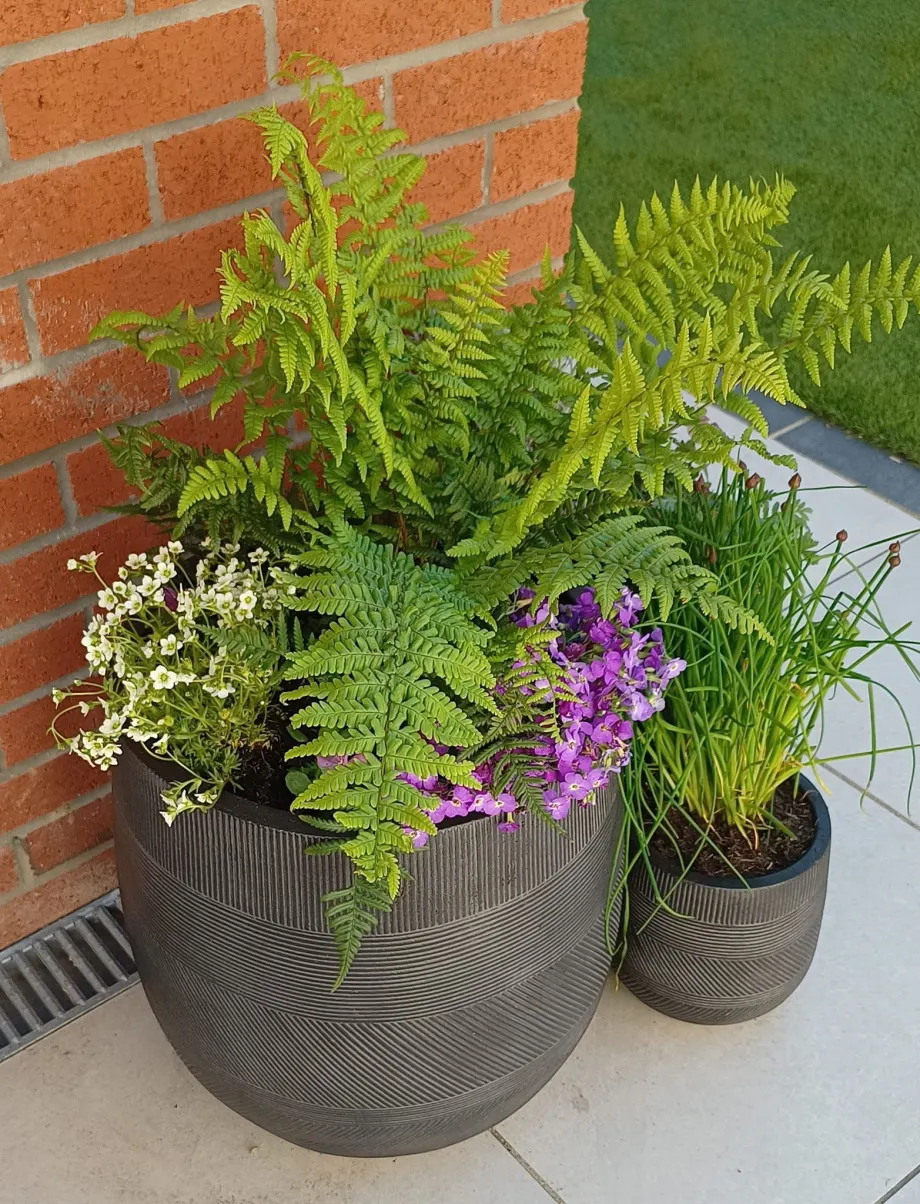
A small-space Cottage Goth garden
Ferns, dark pots, climbers, herbs, a container pond and one good chair — making balconies, yards and small patios feel green, shadowed and alive.
Open guide →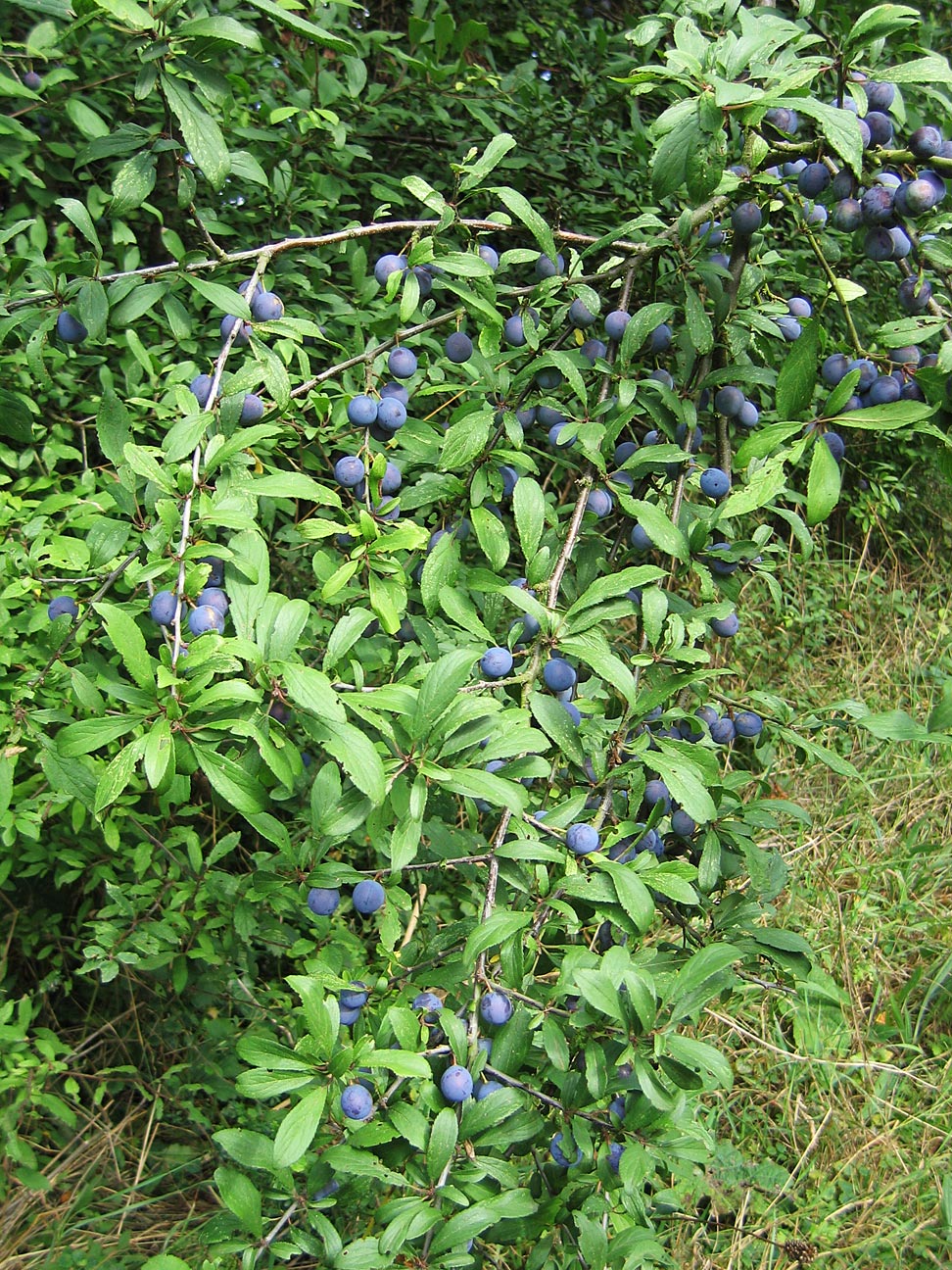
Blackthorn: hedge, sloe and folklore
Blackthorn is a dense native hedge plant with early blossom, autumn sloes, wildlife value and a long association with witchcraft in British folklore.
Open guide →
Cottage Goth hedgerows
Hawthorn, blackthorn, rose, honeysuckle, ivy and bramble — a living boundary with blossom, thorns, nesting cover, berries and winter structure.
Open guide →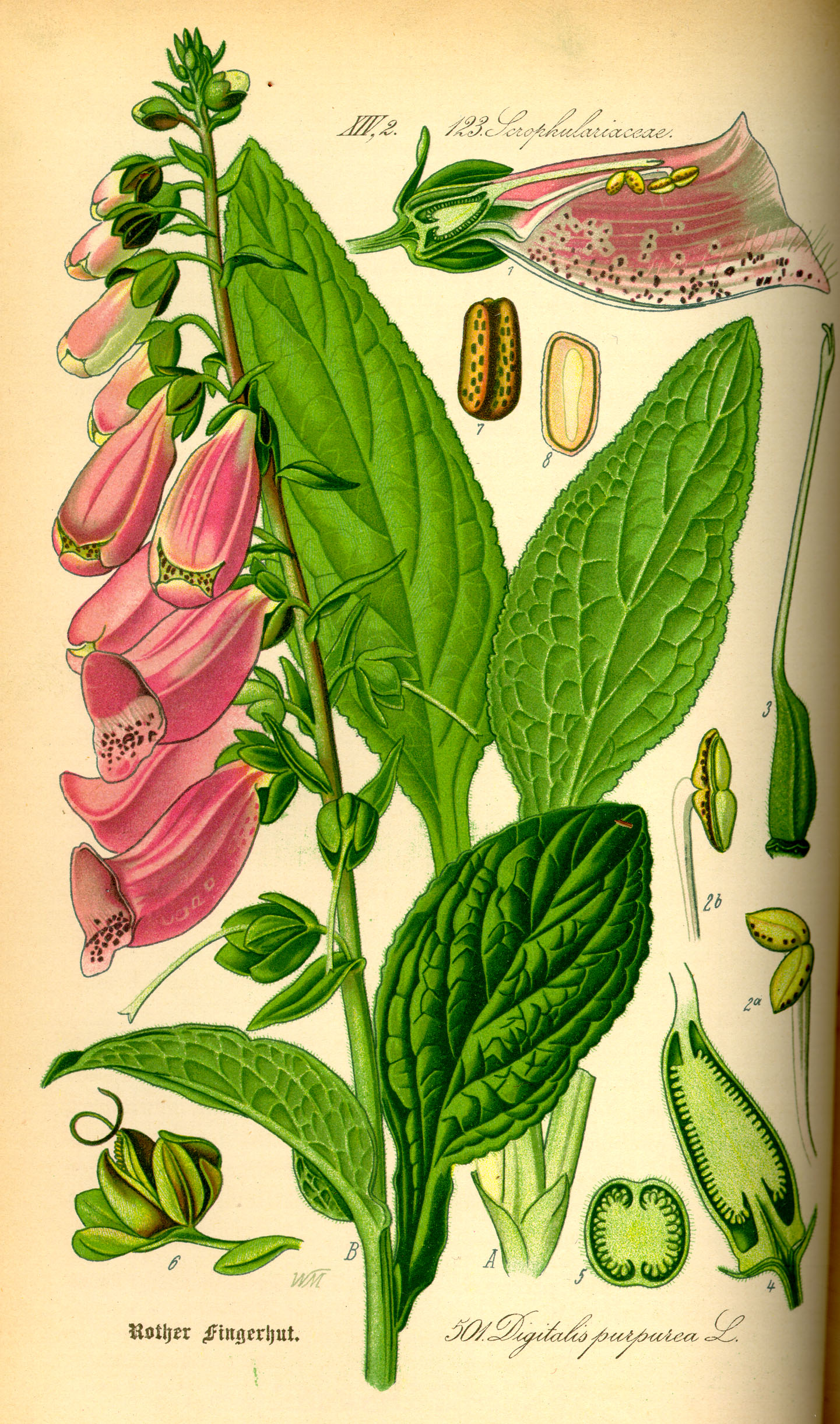
Foxglove: beautiful, native and poisonous
Common foxglove is one of Britain's most recognisable cottage-garden plants: native, dramatic, easy to seed and genuinely toxic.
Open guide →
The Cottage Goth garden in winter
Seed heads, bark, berries, sloes, evergreen structure and frost — a garden that remains visually alive after the flowers finish.
Open guide →