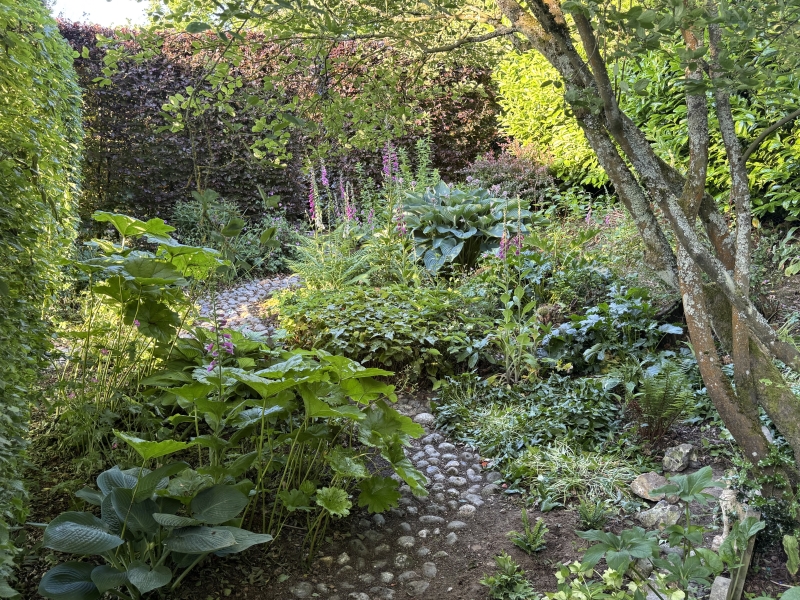
A Cottage Goth garden should not collapse into bare soil in October. Winter is when structure becomes easiest to see: stems, bark, seed heads, berries, hedges and the architecture of plants without their summer abundance.
It is also when frost, fog and low sun make ordinary material look briefly extraordinary.
Leave selected seed heads standing
Echinacea, alliums, grasses, teasel and many perennials keep recognisable shapes after flowering. Frost and snow make those shapes more visible, not less.
Leave healthy stems where they are useful, then cut back selectively as winter progresses or before new growth starts.
Hedges hold the garden together
Deciduous hedges still show twig density, thorns, nests and retained fruit. Evergreen plants provide heavier blocks of green behind them.
A mixed hedge can therefore be visually useful even when it is not in flower.
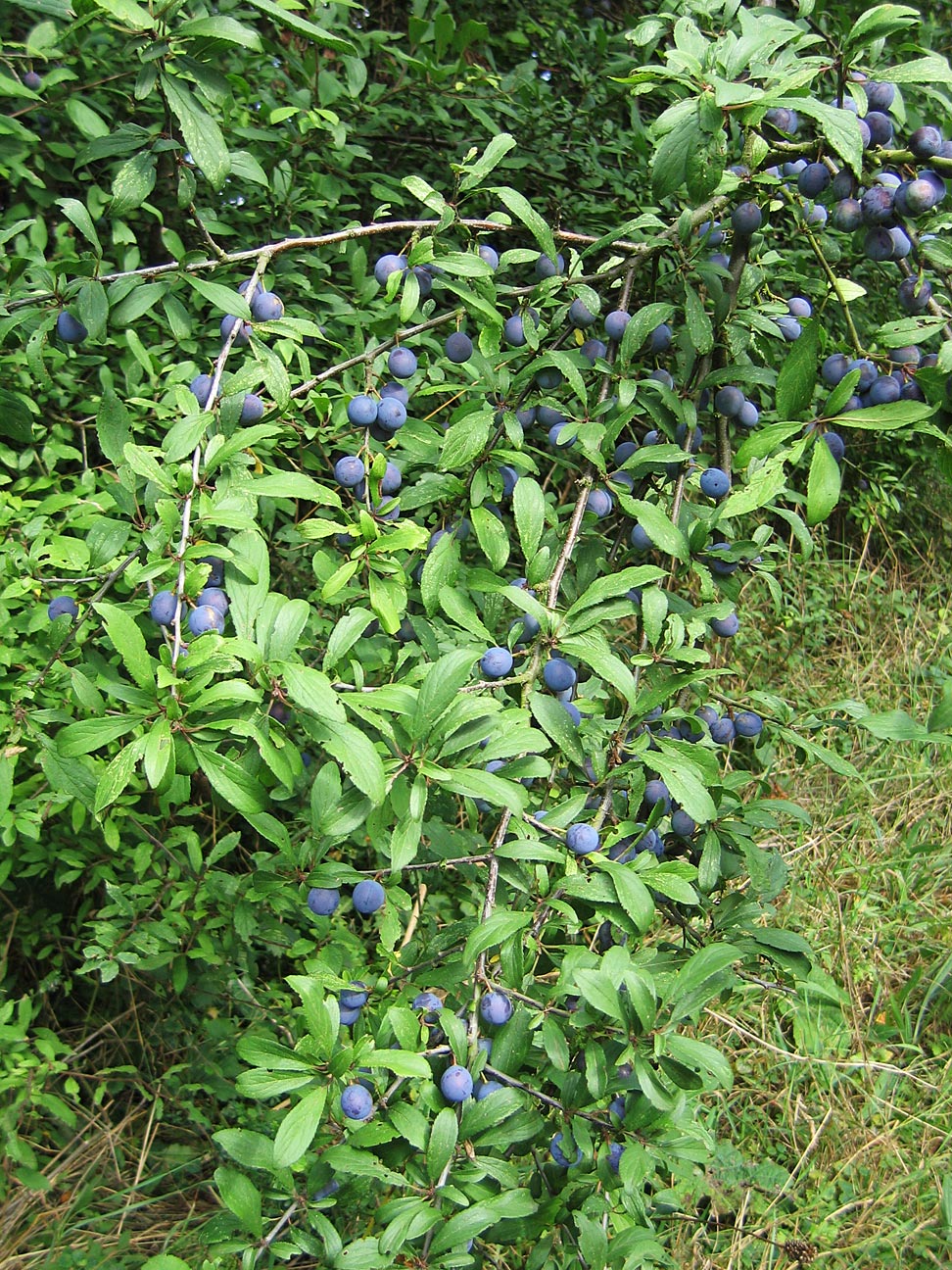
Berries and sloes deepen the cold palette
Haws, rose hips, holly berries and sloes carry small points of red, orange and blue-black into winter. They also have ecological value as food, though the exact usefulness varies by species and timing.

Bark comes forward after leaf fall
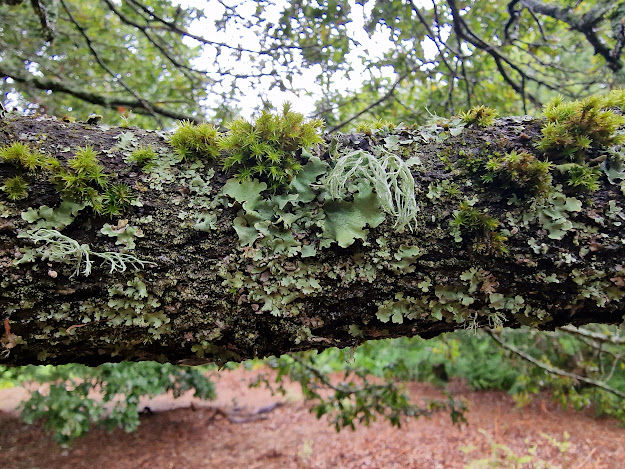
Birch, cherry, dogwood stems, old apple trees and rough hedgerow trunks all become easier to read once leaves are gone. Lichen and moss also stand out more strongly on wet bark.
This is a good reason not to design only for flower colour.
Evergreens need contrast
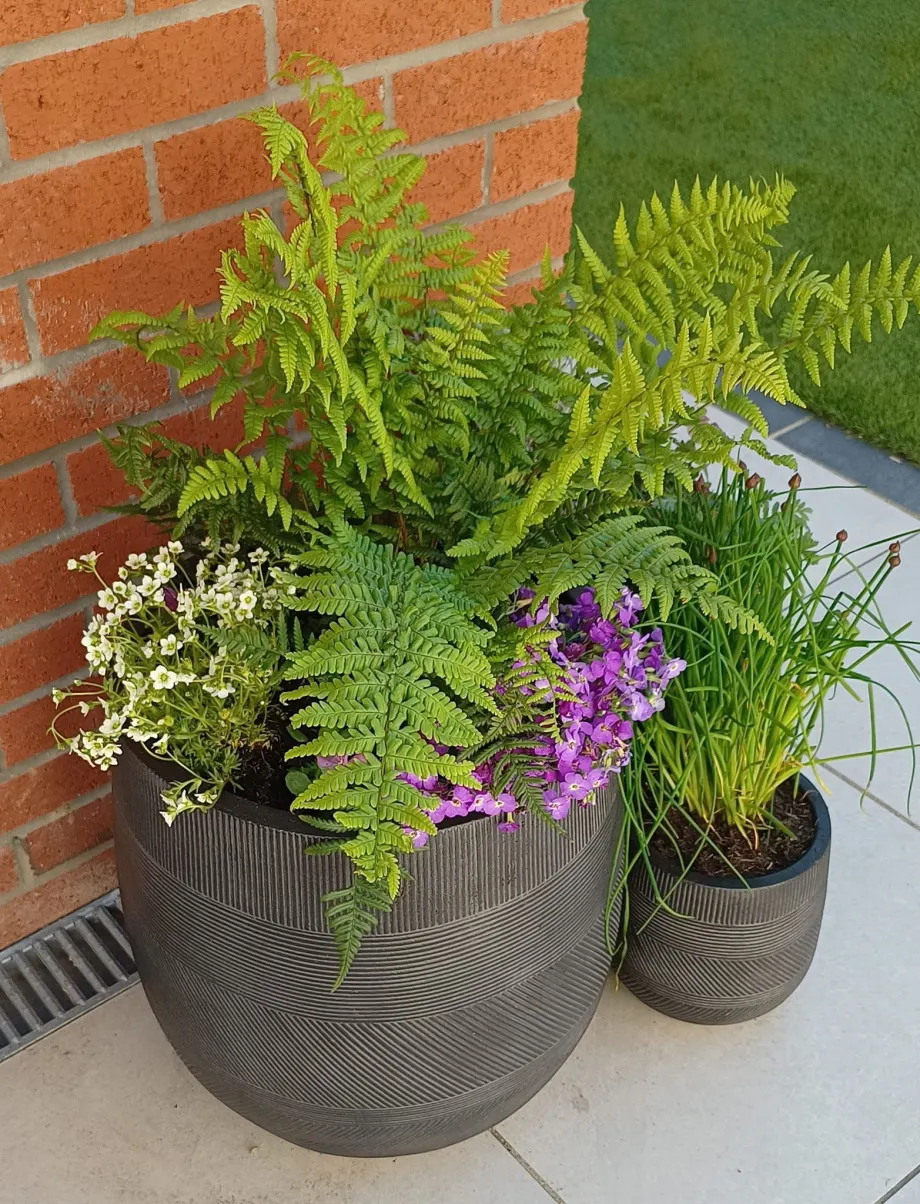
Yew, holly, ivy and evergreen ferns can provide dark mass, but an entirely evergreen garden can become visually static. Pair them with bare stems, pale grasses and open views through branches.
Do not tidy away every habitat
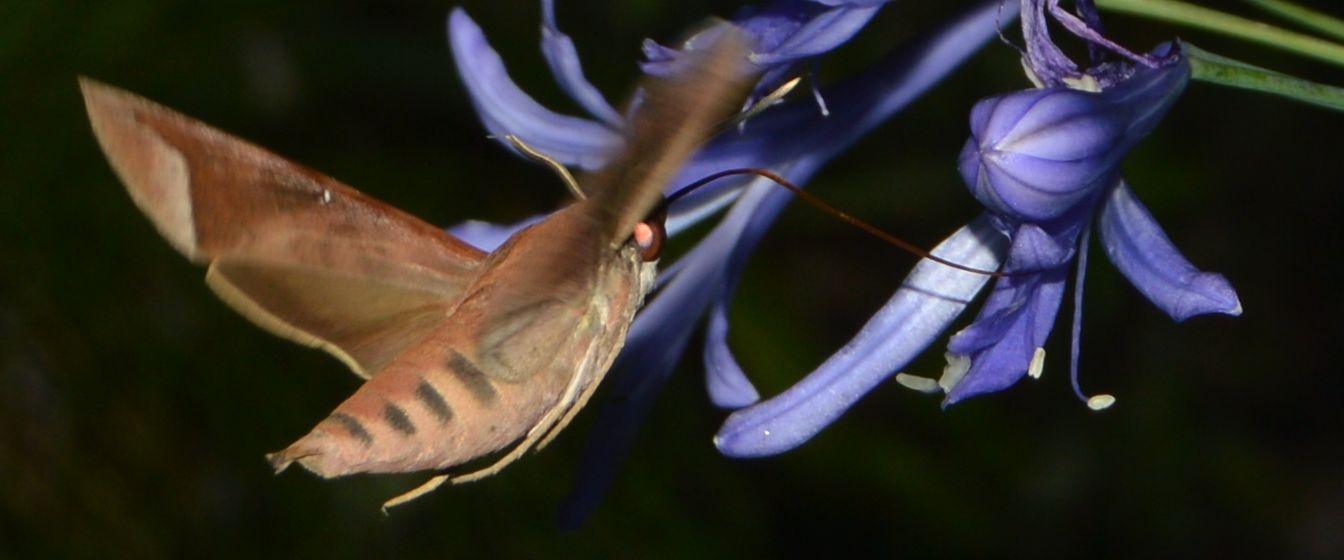
Hollow stems, leaf litter, log piles and dense hedge bases provide overwintering places for invertebrates and other wildlife. Tidiness can be selective rather than total.
Keep paths clear and remove diseased material where appropriate, but allow some areas to remain structurally complex.
Use the low sun
Winter light comes in at a lower angle, which is excellent for grasses, seed heads and translucent leaves. Position a bench or path where late-afternoon light can catch the structures you have left standing.

Plan winter while planting in spring
Ask what remains when each plant finishes: seed head, evergreen leaf, coloured stem, fruit, bark or simply an empty patch. A border with several answers will age into winter more gracefully.