Common foxglove, Digitalis purpurea, has become almost unavoidable in Cottage Goth imagery. In this case the cliché survives because the real plant is unusually rich: it is native to Britain and Ireland, common in gardens and woodland edges, architecturally striking, associated with medical history and dangerous if eaten.
What it actually is
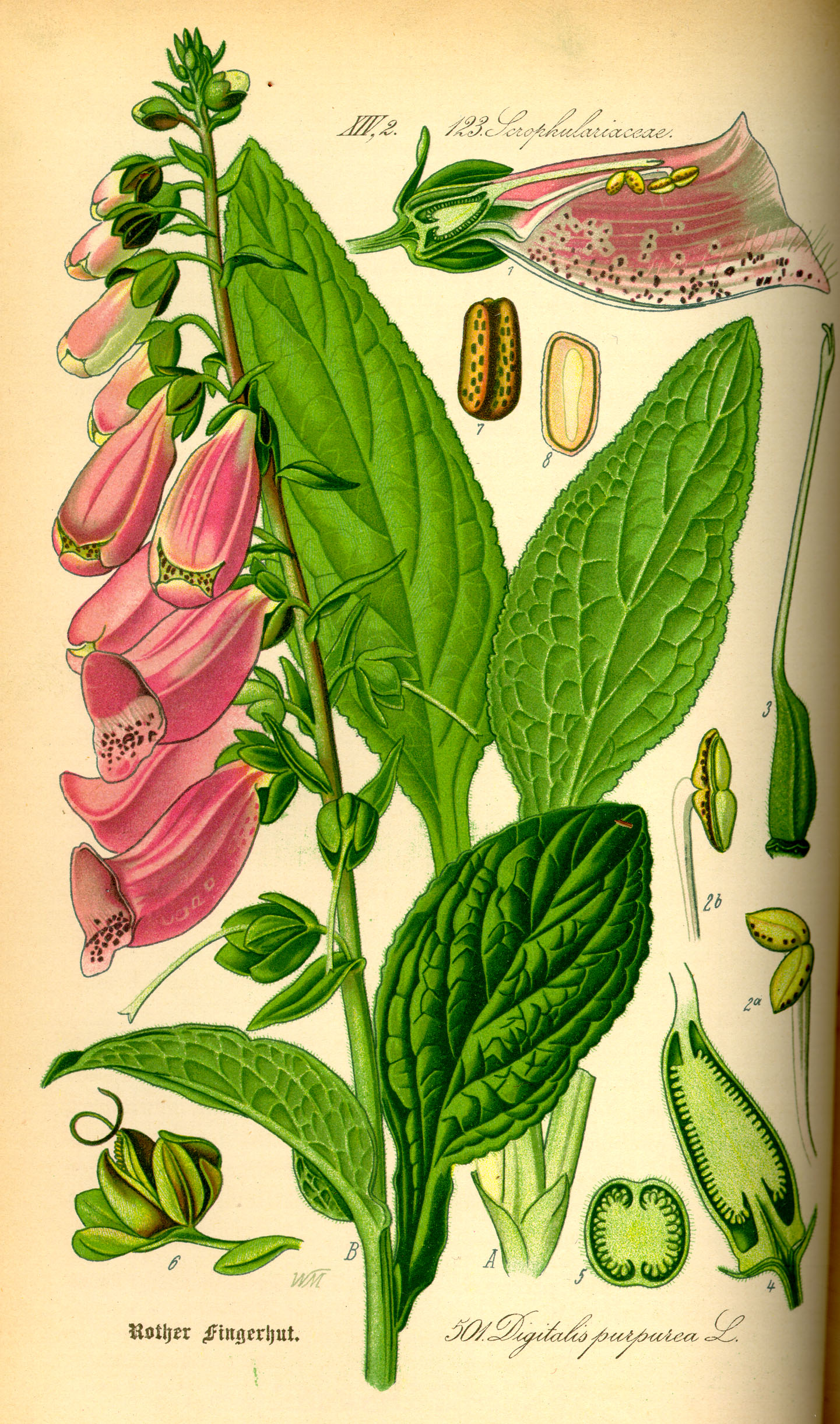
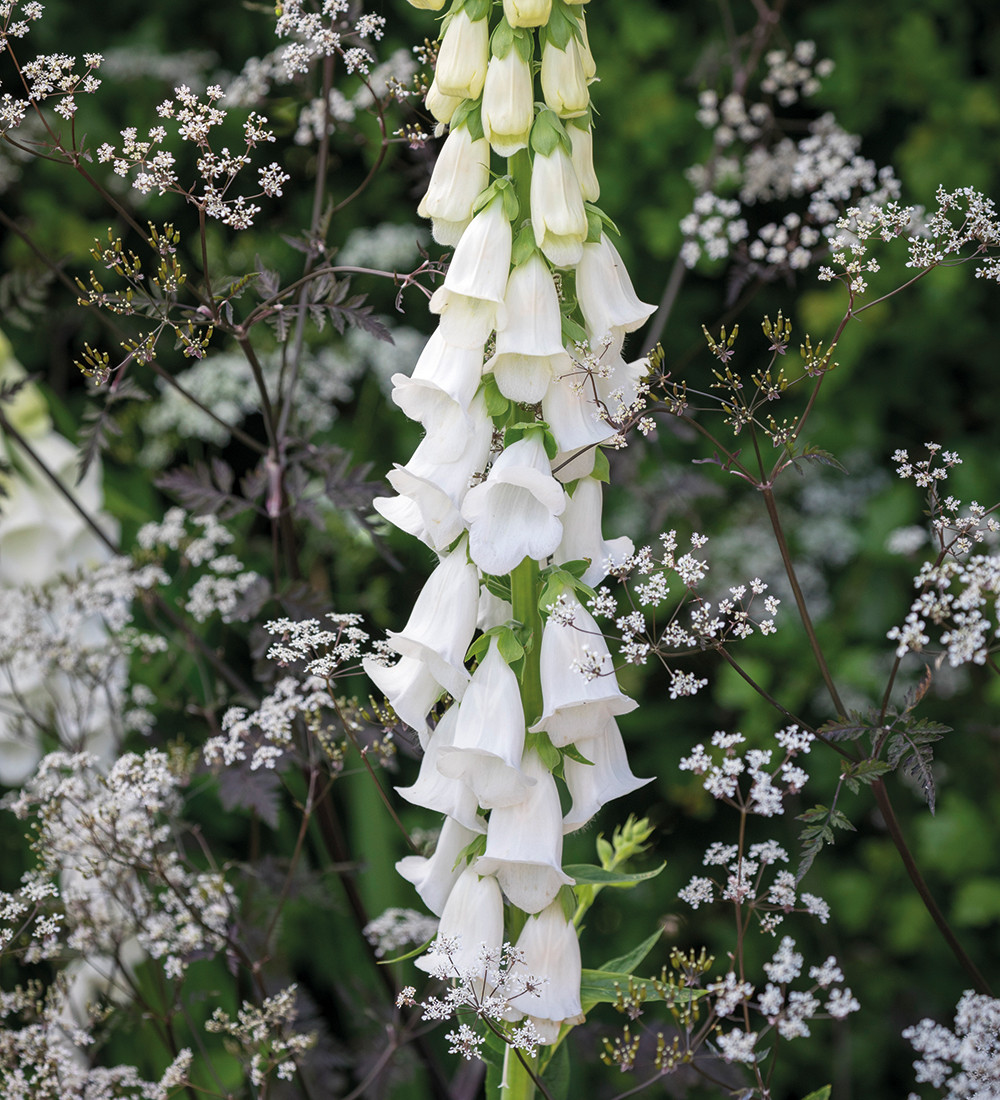
Foxglove belongs to the Plantaginaceae family. It typically forms a low rosette of leaves in its first year, then sends up tall flower spikes in the second. The tubular flowers are usually pink-purple with spotted throats, although white forms occur naturally and many cultivars broaden the colour range.
The RHS describes Digitalis purpurea as a biennial or short-lived perennial. In practice, many gardeners experience it as a self-seeding biennial: individual plants flower and die, while seedlings appear elsewhere.
Where it grows
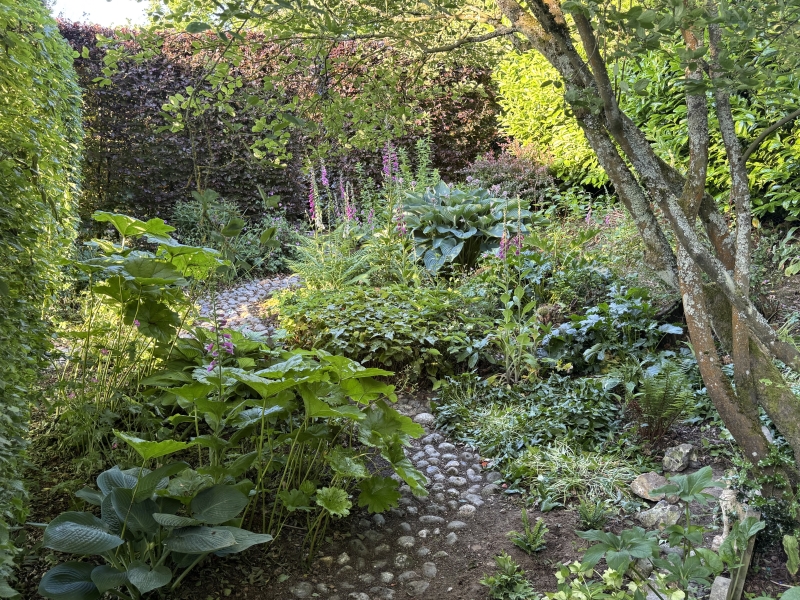
Foxglove is strongly associated with woodland clearings, banks, hedges and disturbed ground. In gardens it prefers humus-rich soil and partial shade, though it will also grow in sun if conditions are not excessively dry.
The tall flower spikes suit the middle or back of a mixed border, rising above lower plants while leaving gaps between the stems. Foxgloves also settle well around woodland edges, old walls and informal paths where seedlings can appear naturally.
Self-seeding changes the composition
A foxglove garden looks different from a bedding scheme because the plants are not guaranteed to return in exactly the same positions.
If you want seedlings, leave selected flower spikes to ripen and shed seed. If you do not, deadhead before seed dispersal. Seedlings can be thinned or moved while small.
That movement is part of the appeal. Each spring brings a slightly different arrangement.

Treat the toxicity plainly
Foxglove contains cardiac glycosides. The RHS labels the plant toxic if eaten and advises protective equipment when handling it. It is also potentially harmful to pets.

Digitalis compounds have an important medical history. Modern medicines use controlled compounds and doses; a garden foxglove offers neither. The plant is toxic if eaten. Treat its medicinal history as history and leave home preparations alone.
If children or pets use the garden, assess placement accordingly and use reputable horticultural safety guidance.
Why the flower shape matters
The common name "foxglove" has attracted many folk explanations. The flowers do resemble finger stalls or gloves, and that shape has encouraged stories about foxes, fairies and bells. Etymologies around plant names are often repeated with more confidence than evidence, so claims about a single ancient origin should be treated cautiously.
The botanical name Digitalis itself comes from the Latin digitus, finger, referring to the glove-like flowers.
The wild flower is pink-purple
The normal wild-type flower is conspicuously pink-purple. Its height, spotted throat and preference for woodland edges already give it a strong presence among darker foliage and old masonry.
The darkness comes from context: tall flowers emerging from shade, the spotted interior of the corolla, a woodland edge, a wet stone wall, the plant's toxicity, its medical history and the fact that the flowering spike is temporary.
Trying to breed or buy every plant in near-black can actually flatten the garden because there is no contrast left.

Good companions
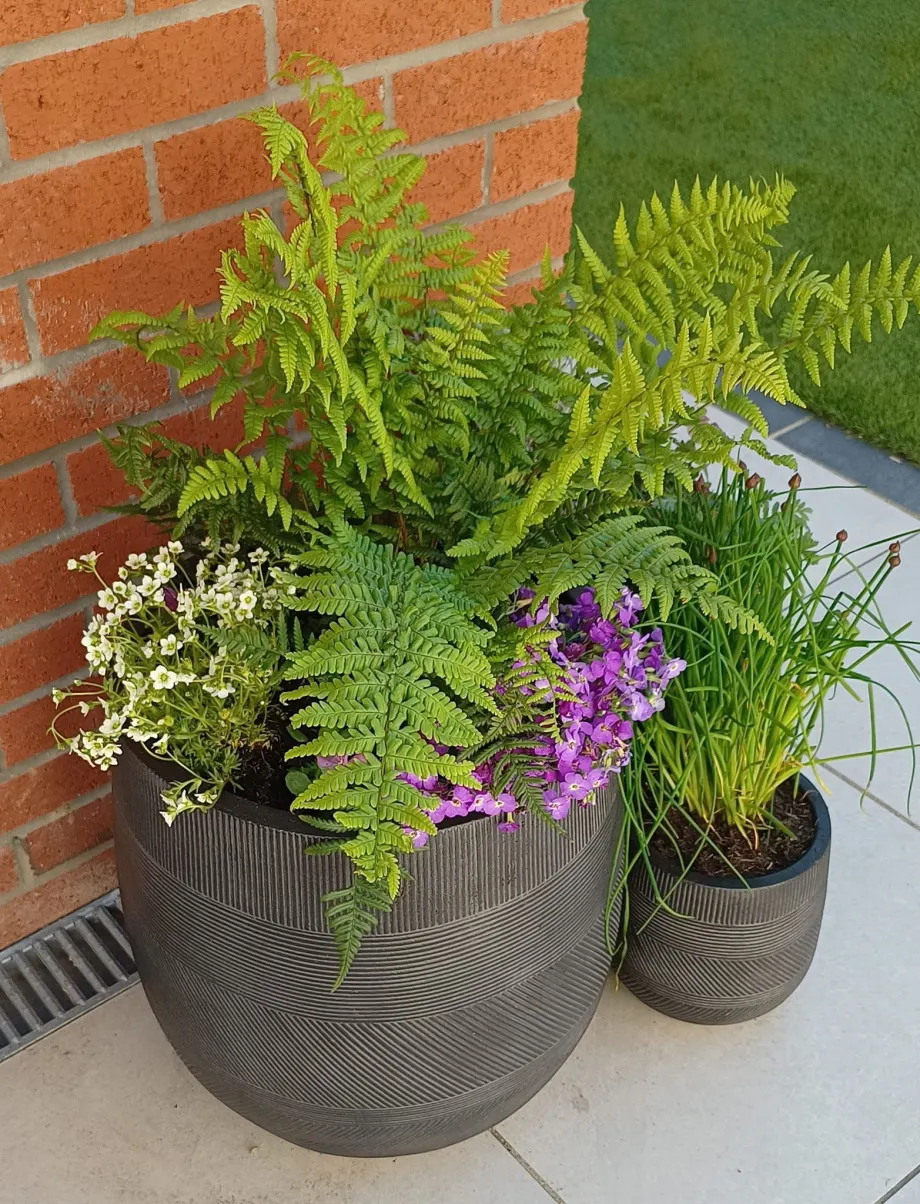
In a British-style informal garden, foxgloves can sit naturally with ferns, hardy geraniums, aquilegia, campanula, astrantia, grasses and woodland-edge plants. Base the exact combination on the soil, exposure and available moisture.
Against dark hedging or old masonry, pale or pink foxgloves often have more impact than the darkest cultivars.