Bats belong to Cottage Goth without any help from symbolism. They really do appear as daylight goes, hunt along hedges and tree lines, skim around ponds and vanish into cracks in buildings and trees.
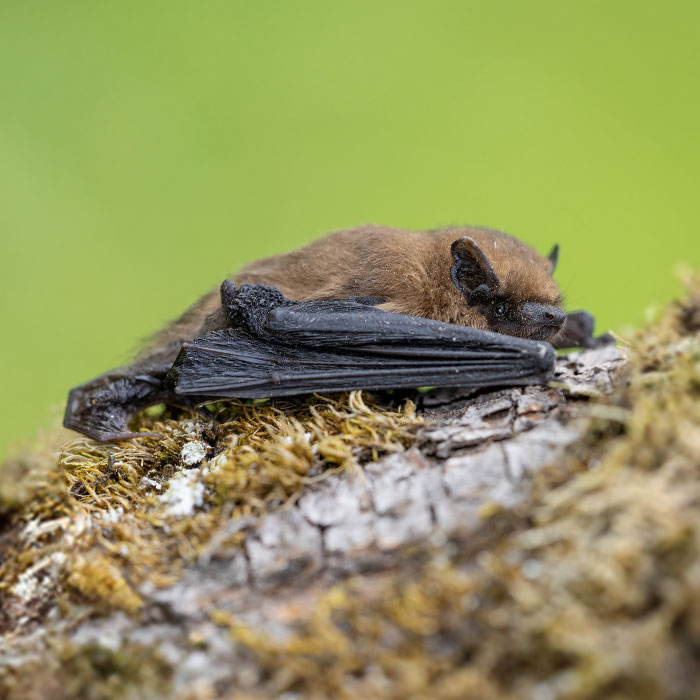
The useful starting point in Britain is often the pipistrelles. Common and soprano pipistrelles are among our commonest bats and look very similar; their echolocation frequencies are often a better identification clue than appearance alone.
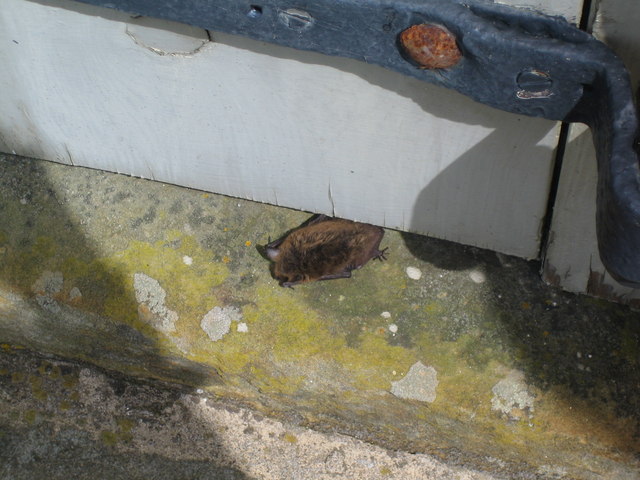
Common pipistrelles are tiny
The Bat Conservation Trust gives a typical weight of only 3–8g for common pipistrelles, with a wingspan around 20–23.5cm. They feed mainly on small flies and can appear fast and jerky as they catch prey on the wing.

Soprano pipistrelles often favour wetter habitat
Soprano pipistrelles are frequently associated with lakes, rivers, woodland edges, tree lines, hedgerows, parks and gardens. The Bat Conservation Trust says they commonly emerge around twenty minutes after sunset.
A pond and connected vegetation can therefore matter more than a decorative bat box screwed to an exposed wall.

Hedges are flight lines as well as boundaries
Bats use linear vegetation to commute and feed. A hedge that connects trees, gardens and water is more useful than isolated planting surrounded by bright paving.
For a garden, that means keeping routes between trees, hedges and water intact; isolated planting is less useful when bright gaps break the connection.
Darkness is habitat
The Bat Conservation Trust warns that artificial light can disrupt roost emergence, feeding and movement. Some bats may exploit insects around certain lights, but that does not make floodlighting benign.
Keep known or likely routes dark, especially around trees, ponds, roof spaces and bat boxes. Use low, directional lighting only where people actually need it.
Feed the insects if you want the bats
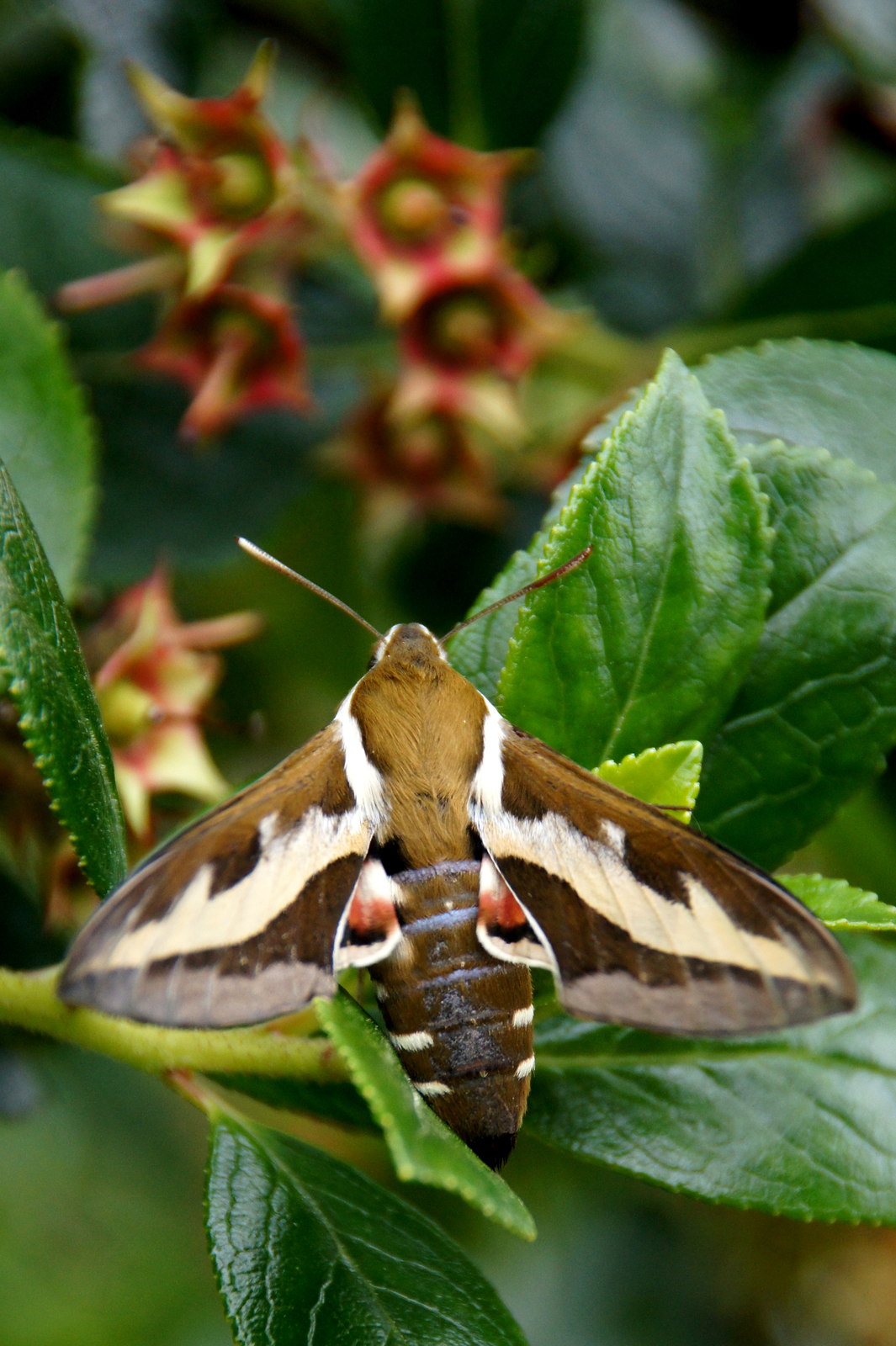
Night-scented nectar plants support moths; ponds support aquatic insects; long grass, compost, native trees and shrubs add further prey. The Bat Conservation Trust recommends all of these approaches.
Do not use pesticides casually and then wonder why the evening sky is empty.
Watch without disturbing roosts
Stand near a pond, hedge or tree line around sunset and look for rapid, repeated flight paths. A bat detector can help distinguish species groups, but roosts themselves are legally protected and should not be handled or interfered with.
The same half-hour often brings the first owl calls. Owls in the dark separates the tawny hoot, barn-owl screech and three less familiar British species.