Sometimes a folklore claim is interesting enough that you want to know where it came from. The trail can lead from a modern website to an old book, a local collection, a named storyteller or a surprisingly specific place.
A simple way into the search is to look for four things: who, where, when and source. You do not need all four before a story becomes interesting; they are just useful handles for finding out more.
1. Start with the exact claim
It helps to turn a broad statement into something searchable.
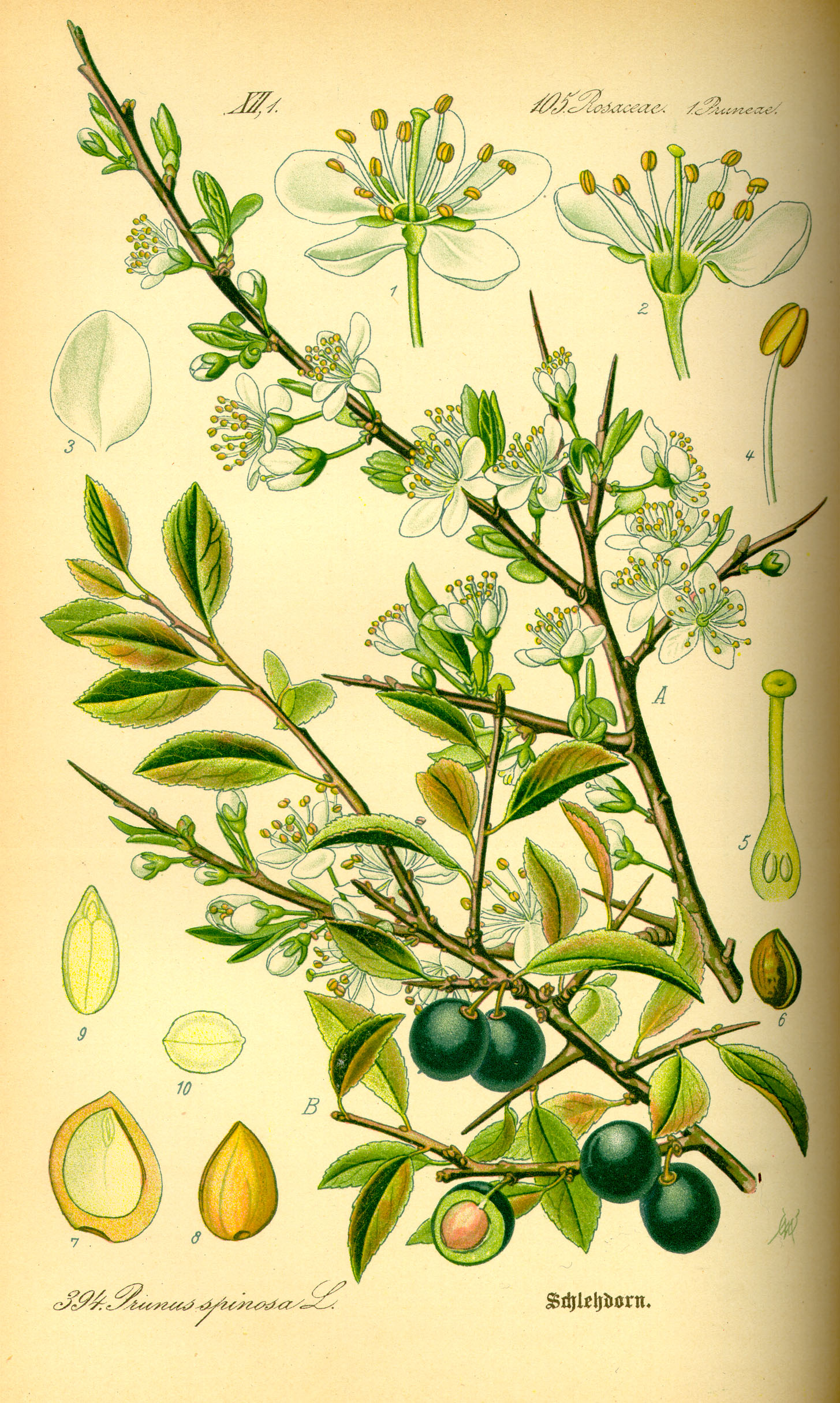
“Blackthorn was magical” gives a search engine very little to work with.
“Blackthorn staffs were associated with witches in British folklore” is more useful. A source that names a county, collector or date is better still because each detail opens another route into the material.
2. Look for an earlier source
A modern article can be a perfectly good place to discover a story. If it gives a citation, follow it backwards. If it does not, search a distinctive phrase, place name or custom and see whether an older collection appears.
Places worth trying include:
- the journal Folklore and publications of the Folklore Society;
- local history and folklore society journals;
- digitised nineteenth- and early twentieth-century collections;
- county archives and museum collections;
- British Library catalogues and digitised books;
- scholarly editions of stories, customs and oral traditions.
The earliest source you find is not necessarily the beginning of the story. It is simply one point on the trail.

3. Keep the place
Folklore is often very local. A custom recorded in one county may be absent in the next; the same creature may have different names or behaviour in different places.

If a source gives a parish, island, county or region, keep it. That geographical detail often makes the story more interesting rather than less universal.
4. Keep the date
A record dated 1890 tells us that the story had been written down by 1890. It may of course be older, but the date gives us something definite to work with.
This is especially useful with seasonal customs, plant lore and stories that are sometimes described very broadly as “ancient” or “pagan”. The recorded date lets you see what the source actually says and what was added later.
5. Separate story, belief and interpretation
A collector may write down a tale without saying that everybody locally believed it literally. An antiquarian may offer an explanation of a custom. A modern scholar may interpret both.
Keeping those layers visible can be as simple as saying:
- “a story recorded in…”;
- “the collector wrote that…”;
- “a later interpretation suggests…”.
That is often all the distinction needed.
6. Compare versions
Different versions are normal. A plant can be protective in one account and ominous in another. A supernatural being can be helpful in one district and dangerous elsewhere.
Rather than choosing one version as the correct symbolic meaning, put two or three beside each other and see what changes with place, teller and period. The disagreement is often the interesting bit.
7. Check word origins separately
Etymology is its own subject. If a folklore claim depends on a word supposedly coming from Old English, Gaelic, Norse or Latin, a specialist dictionary or language source is usually more useful than another folklore summary.
Sometimes the linguistic trail supports the story; sometimes it points somewhere completely different.
8. Leave a trail for the next curious person
A source note does not need to look academic. Something as simple as this is enough:
“The Woodland Trust's overview records a British association between blackthorn and witchcraft, including stories about blackthorn staffs.”
Better still, where the information is available:
“In [collection], [collector] recorded [story or belief] at [place] in [date].”
That gives anybody who wants to keep going somewhere to start.
If the trail runs cold
Sometimes it does. A phrase may appear on hundreds of websites with no obvious earlier source, or an old book may cite something that is not digitised.
That is not a failure. Put it down for now. Another book, catalogue or local collection may turn up later and open the trail again.